
Buying a condominium in the Philippines gives you more than a place to live. You gain important ownership rights. Your Condominium Certificate of Title (CCT) documents your registered ownership of the unit and may be used for transactions such as a sale, transfer, or mortgage, subject to applicable laws, your condominium’s governing documents, and the requirements of the other party involved.
At the same time, You also take on ongoing responsibilities, including association dues, real property tax (RPT), and compliance with your condominium corporation’s rules.
In other words, owning a condo comes with a few things you’ll want to stay on top of. This guide breaks down the basics—from association dues and RPT to building rules, unpaid obligations, CCTs, and more.
Quick answer:
As a condo owner, you generally have a separate ownership interest in your unit together with an interest in the common areas. You may have to pay association dues to the condominium corporation and RPT to your local government. Your CCT is an important ownership document, while the Master Deed, by-laws, and house rules help determine how you can use your unit.
What Do You Actually Own When You Buy a Condo?
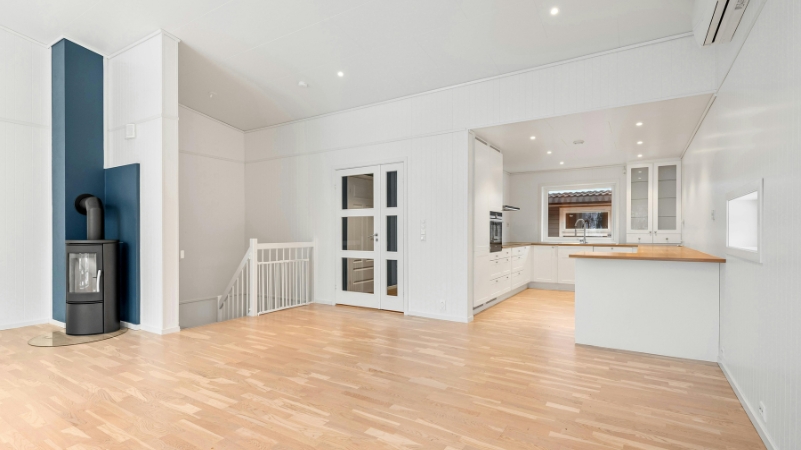
A condominium is different from buying an ordinary house and lot.
Under the Condominium Act of the Philippines (Republic Act No. 4726), condominium ownership involves a separate interest in a unit together with an undivided interest in the common areas, subject to the condominium project’s legal structure and governing documents.
Your condominium unit
Your unit is your separately owned portion of the condominium project. Depending on the applicable restrictions and documents, ownership generally allows you to:
- live in the unit
- lease it
- sell or transfer it
- mortgage or otherwise encumber it
- make permitted improvements to its interior
These rights are not unlimited. The Master Deed, declaration of restrictions, by-laws, house rules, and applicable laws may place restrictions on how the unit is used or modified.
The common areas
Common areas can include:
- hallways
- lobbies
- elevators
- stairs
- amenities
- other areas intended for common use
The legal ownership and management structure for common areas depends on the condominium project’s organization. In many projects, a condominium corporation manages the common areas and collects assessments from unit owners.
Your condominium corporation membership
Where the condominium corporation is the entity holding the common areas, unit owners become members of the corporation under the applicable legal framework.
Membership can come with both rights and responsibilities, including participation in condominium-corporation matters and payment of assessments required under the law and governing documents.
Can Foreigners Own Condominiums in the Philippines?

Yes, foreigners may own condominium units in the Philippines, but foreign ownership is subject to the constitutional and statutory restrictions applicable to condominium projects.
The commonly cited 40% limit should not be treated as a simple rule that every foreign buyer can automatically acquire up to 40% of the units in any building. The restriction relates to the allowable foreign ownership of the condominium project and its underlying land under Philippine law.
If you are a foreign buyer, ask the developer or condominium corporation to confirm the project’s current foreign-ownership status before purchasing.
What Do Condo Owners Have to Pay?
Your recurring condominium expenses can come from different sources.
| Cost | Who you usually pay | What it may cover | What to check |
| Association dues | Condominium corporation | Common-area maintenance, security, administration, insurance and other authorized expenses | Rate, due date, penalties and inclusions |
| Real property tax | City or municipal treasurer | Local government taxation on your property | Tax declaration, assessed value and payment schedule |
| Utilities | Utility provider or building administration | Electricity, water and other services | Metering and billing arrangement |
| Parking-related charges | Depending on the project | Dues, RPT and other applicable charges | Whether the parking space has a separate CCT |
| Special assessments | Condominium corporation | Major repairs, improvements or other authorized expenses | Purpose, amount and payment terms |
There is no single standard association-dues rate for all condominiums. The amount depends on the condominium corporation, the project’s operating costs, unit size and the applicable governing documents.
Ask your property management office or condominium corporation for the current dues schedule and a breakdown of what your payments cover.
What Do Association Dues Cover?
Association dues are generally used to fund the operation, maintenance, repair and administration of the condominium project.
Depending on the building, dues may help cover:
- security
- cleaning and maintenance
- common-area utilities
- elevators and building equipment
- repairs
- insurance
- administrative expenses
- reserves or funds for future expenses
- other expenses authorized under the condominium’s governing documents
Your dues may also include amounts associated with common areas or other expenses that are allocated among unit owners.
Important: Your monthly dues statement may not tell the entire story. A condominium corporation may also impose a special assessment for certain major expenses when allowed under its governing documents and applicable law.
If you receive a special assessment, ask what it is for, how the amount was determined, when it is due, and what document authorizes it.
Are Condo Association Dues Subject to VAT?
The Supreme Court ruled in Bureau of Internal Revenue v. First E-Bank Tower Condominium Corporation that BIR Revenue Memorandum Circular No. 65-2012 could not impose VAT, income tax and withholding-tax treatment on condominium association dues, membership fees and similar assessments in the manner challenged in that case.
The Court explained that these assessments form part of the funds used by the condominium corporation for expenses such as maintenance, repairs, improvements and administration, rather than automatically constituting payment for taxable services.
However, this does not mean that every amount appearing on a condominium billing statement is automatically exempt from every tax.
If your statement separately identifies VAT or other taxable charges, ask the condominium corporation for an explanation of the specific charge and its tax basis.
How Is Real Property Tax on a Condo Calculated?

Real property tax, or RPT, is a local tax administered by your city or municipality.
The basic calculation involves the property’s assessed value and the applicable local tax rates.
A simplified explanation is:
Market value → applicable assessment level → assessed value → applicable RPT rate
However, property valuation rules have changed with the Real Property Valuation and Assessment Reform Act (Republic Act No. 12001). The law introduced reforms to the country’s real property valuation and assessment system, including a more standardized valuation framework and updated schedules of market values.
Because implementation and valuation depend on the applicable LGU and transition rules, you should not assume that your condo’s tax will simply be a percentage of the amount you paid the developer.
What determines your RPT?
Your actual RPT can depend on:
- The property’s market value under the applicable valuation system
- The applicable assessment level
- The assessed value
- The basic RPT rate set within the limits allowed by law
- The additional Special Education Fund (SEF) levy
- Your LGU’s applicable valuation and tax records
Under the Local Government Code, the basic RPT rate may be up to 2% in cities and municipalities within Metro Manila and up to 1% in provinces. An additional 1% SEF levy is also imposed on real property covered by the law.
Simple illustration
Suppose, purely for illustration, that your property’s assessed value is ₱800,000 and the applicable local rates are:
- 2% basic RPT
- 1% SEF
The combined annual tax would be:
₱800,000 × 3% = ₱24,000
This is only an example. Your actual RPT can be different because your property’s valuation, assessment level and applicable LGU rates may differ.
For the actual amount, check your latest tax declaration and assessment records with your city or municipal assessor or treasurer.
When Do You Start Paying Condo RPT?
The practical answer depends on your property’s tax records and your agreement with the developer or seller.
A developer may initially handle certain property-tax payments before turnover or under the terms of the purchase agreement, then charge or transfer the responsibility to the buyer according to the contract and applicable records.
Once the property is properly recorded in your name and you become responsible for the tax, you should make sure your RPT is paid directly or properly accounted for with the LGU.
Do not rely only on the developer’s billing statement. Check:
- whose name appears on the tax declaration
- the property’s assessed value
- the amount currently due
- the latest official receipt
- whether there are any unpaid prior-year taxes
What Happens If You Don’t Pay Condo Dues or RPT?

Unpaid condominium obligations and unpaid RPT are different types of liabilities and are handled under different rules.
If you don’t pay association dues
The condominium corporation may impose penalties or take other collection measures allowed by its governing documents and applicable law.
Under Section 20 of RA 4726, unpaid assessments can become a lien on the condominium unit once the required notice is registered with the Registry of Deeds.
The law also provides mechanisms for enforcing the lien. However, the lien does not automatically mean that the condominium corporation can immediately conduct an extrajudicial foreclosure without following the applicable legal requirements and foreclosure rules.
If you have overdue dues, contact the condominium corporation early and ask for:
- your current outstanding balance
- penalties or interest
- the basis for the charges
- available payment arrangements
- the status of any lien or collection action
If you don’t pay RPT
Unpaid RPT becomes a delinquent real property tax obligation.
Depending on the applicable law and circumstances, delinquency can result in additional charges and eventually lead to remedies such as levy and public auction of the property.
If you are behind on RPT, contact your local treasurer as soon as possible rather than waiting until enforcement proceedings begin.
What Rules Apply to Your Condo Unit?
Owning a condo does not mean you can use the unit without restrictions.
Before renovating, leasing or making major changes, review the documents that govern your condominium.
These can include:
- Master Deed
- Declaration of Restrictions
- By-laws
- House rules
- other condominium-corporation policies
Renovations
Interior improvements may be allowed, but projects involving:
- structural elements
- plumbing
- electrical systems
- walls
- building facades
- common areas
may require prior approval.
Your building may also impose rules on work hours, contractors, permits, debris disposal and elevator use.
Renting out your unit
Long-term leasing may be permitted, but the building can have rules concerning:
- tenant registration
- move-in and move-out schedules
- guest access
- leasing documentation
- minimum lease periods
Short-term rentals and Airbnb
Do not assume that short-term rentals are automatically allowed just because you own the unit.
Some condominium projects restrict or prohibit short-term rentals through their governing documents or house rules.
Check your building’s current rules before listing the property.
Pets, deliveries and move-ins
Buildings can also regulate:
- pets
- deliveries
- moving schedules
- parking
- visitor access
- use of amenities
Your building’s governing documents and current policies should be checked before relying on general advice.
What Is a Condominium Certificate of Title (CCT)?
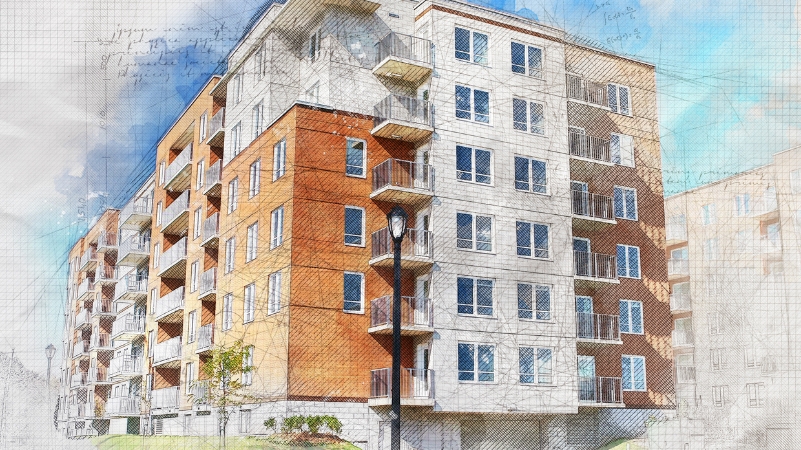
A Condominium Certificate of Title (CCT) is the title issued for a condominium unit.
It is an important document when establishing and documenting your registered ownership of the unit.
Your CCT may be needed when you:
- sell or transfer the unit
- settle an estate
- deal with co-ownership
- mortgage the property
- apply for certain property-backed financing
Keep the title and related property records secure.
What should you check on your CCT?
Review the title for:
- registered owner names
- property description
- annotations
- mortgages
- liens
- encumbrances
- other entries that may affect a transaction
If you are planning to sell or use the property as collateral, have the current title reviewed before starting the transaction.
What Other Documents Should a Condo Owner Keep?
Your CCT is important, but it should not be the only property document you keep.
Maintain copies of:
- Owner’s duplicate CCT
- Certified True Copy of the CCT when needed
- Tax declaration
- Latest RPT receipts
- Tax clearance, when applicable
- Association-dues statements and receipts
- Master Deed
- Declaration of Restrictions
- By-laws
- House rules
- Relevant renovation approvals
- Building insurance information
- Purchase or sale documents
- Parking-slot title or ownership documents, if applicable
Keeping these records organized can make future transactions much easier.
Can You Use Your Condo CCT as Loan Collateral?
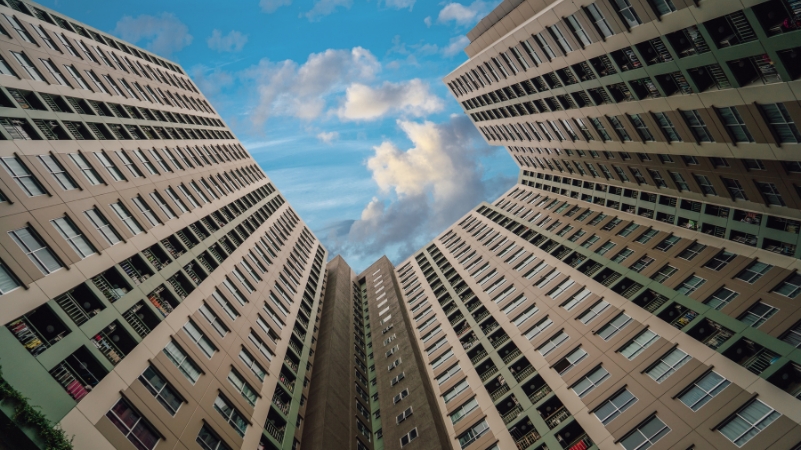
A condominium unit may potentially be used as collateral for a real estate-backed loan, but ownership of a CCT does not automatically guarantee loan approval.
A lender may review:
- whether the title is in the borrower’s name
- whether the title has liens or encumbrances
- the property’s location and value
- the latest tax declaration
- RPT payment records
- proof of income
- the borrower’s qualifications
- the lender’s own underwriting requirements
If the property is already mortgaged or has another registered encumbrance, the lender may require additional steps before accepting it as collateral.
Can You Use a Condo CCT for a SAFC Sangla Titulo Loan?
SAFC currently lists condominiums among the residential properties that may be accepted for its Sangla Titulo loan.
Its published requirements include a Certified True Copy of the TCT or CCT, updated tax declaration, latest tax receipt and tax clearance, among other documents. SAFC also states that the title must be free from liens and encumbrances and that the property undergoes appraisal as part of the application process.
Eligibility and approval remain subject to SAFC’s current requirements and assessment.
If you’re considering using your condo as collateral, prepare your CCT, tax declaration and RPT records first so you can determine whether the property meets the lender’s requirements.
Condo Owner Checklist
Review these documents and obligations at least once a year:
Ownership
- CCT is safely stored
- Registered owner information is correct
- No unexpected annotations, liens or encumbrances appear on the title
- Parking ownership documents are available, if applicable
Taxes
- Tax declaration is updated
- RPT is paid
- Latest official receipt is kept
- Any tax balance or delinquency has been checked with the LGU
Condominium dues
- Association dues are up to date
- You understand the current dues rate
- Any special assessment has been reviewed
- Receipts and statements are saved
Building rules
- You have a copy of the Master Deed
- You have the by-laws and declaration of restrictions
- You know the current house rules
- You know the building’s renovation, leasing and move-in policies
Insurance
- You know what the building’s insurance covers
- You understand what property inside your unit may not be covered
Final Takeaway for Condo Owners
Condo ownership comes with both rights and ongoing responsibilities.
You generally own your condominium unit and have an interest in the common areas, but your ownership is subject to the Condominium Act, your project’s governing documents and applicable local rules.
Your main responsibilities usually include:
- paying association dues
- paying applicable RPT
- following condominium rules
- keeping your property documents updated
- addressing unpaid obligations before they become serious
Your CCT is one of your most important property documents. Keep it secure and review its annotations before selling, transferring or using the property as collateral.
If you’re considering financing using your condo, check the lender’s current eligibility requirements rather than assuming that every titled condominium automatically qualifies.
This article provides general information and is not legal, tax, or financial advice. RPT amounts and procedures can vary by LGU, while condominium rules and financing requirements can vary by project and lender. For a specific legal or tax issue, consult the appropriate LGU office, condominium administration, lawyer, tax professional, or lender.
Sources and Legal References
- Republic Act No. 4726 — Condominium Act
- Republic Act No. 7160 — Local Government Code of 1991
- Republic Act No. 12001 — Real Property Valuation and Assessment Reform Act
- Bureau of Internal Revenue v. First E-Bank Tower Condominium Corporation, G.R. Nos. 215801 & 218924
- Brouwer v. LPL Greenhills Condominium Corporation, G.R. No. 248743
- SAFC — Sangla Titulo Loan requirements and accepted property types