
As we officially enter September, Christmas will be here before you know it. Good thing the ber-Months give you something valuable before the holiday arrives: time to prepare.
Instead of waiting for December and relying on your 13th-month pay, credit card, or a loan to cover everything, use September to December to set a realistic Christmas budget, save gradually, and decide which expenses actually matter to your family.
There is no single amount that every Filipino household should spend for Christmas. Your budget should depend on what you can afford after regular bills, debt payments, savings, and other important expenses.
How Much Should You Budget for Christmas in the Philippines?
Start with your available money, not your ideal Christmas.
List your expected income from now until the holidays. Then subtract:
- Rent or housing expenses
- Utilities and groceries
- Tuition or school expenses
- Existing loan and credit payments
- Insurance and other commitments
- Emergency or regular savings
- Other expenses you already know are coming
What remains gives you a better idea of what you can safely allocate for Christmas.
For example, if you can set aside ₱12,000 without affecting your regular obligations, ₱12,000 is your Christmas budget. You do not need to spend more simply because December comes with extra income.
A practical rule is: decide your total limit first, then divide it among your Christmas expenses.
When Should You Start Saving for Christmas?

As early as possible during the ber-Months.
Starting early gives you more time to prepare, so you can spread your Christmas expenses across several paydays instead of handling everything at once.
For example, if your Christmas budget is ₱12,000:
- Save ₱3,000 per month for four months, or
- Save ₱1,500 per payday if you are paid twice a month for four months.
The exact amount depends on your income and budget.
The important part is to treat your Christmas fund as a planned expense rather than money you will “find” later.
Planning ahead can also help you avoid putting several large expenses on credit or other forms of borrowing at the last minute. Financial education guidance from the Bangko Sentral ng Pilipinas emphasizes prudent budgeting, building reserves and managing debt as part of sound personal financial management.
How Can You Build a Christmas Fund?

Keep it simple.
1. Create a separate Christmas fund
Use a separate savings account, envelope, or clearly identified digital-wallet balance so you know how much is available.
2. Save automatically after payday
Decide on the amount before the money gets absorbed into everyday spending.
3. Set a gift list early
Write down the people you actually plan to give gifts to and assign a spending limit to each.
4. Track the fund
Every time you spend from it, subtract the amount immediately.
This prevents a common problem: thinking there is still enough money because several small purchases were never added together.
5. Take advantage of price information
For food purchases, compare prices instead of assuming the most expensive option is necessary. DTI has previously published Noche Buena price guides specifically to help consumers compare available products and make choices within their budgets.
What Should You Prioritize in Your Christmas Budget?
Not every Christmas expense has the same priority.
A simple order is:
1. Regular obligations
Keep rent, utilities, food, debt payments and other essential expenses funded first.
2. Important family needs
Consider necessary travel, planned family gatherings or other commitments that you cannot reasonably avoid.
3. Christmas food
Set a specific Noche Buena and gathering budget instead of shopping without a limit.
4. Gifts and aguinaldo
Create a list and assign a maximum amount per person.
5. Optional spending
Parties, decorations, shopping, outings and other extras should come from whatever remains.
This does not mean Christmas celebrations are unimportant. It simply prevents optional spending from taking money away from obligations that still have to be paid in January.
Can I Use My 13th-Month Pay or Bonus for Christmas?
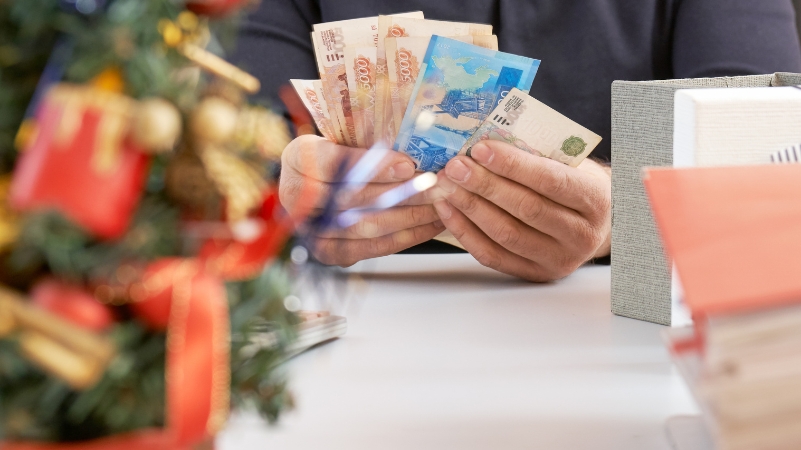
Yes, but you do not have to spend all of it on Christmas.
For covered private-sector rank-and-file employees, the 13th-month pay is based on one-twelfth of total basic salary earned during the calendar year and is generally required to be released no later than December 24. It is different from an employer-provided Christmas bonus, which is not the same statutory benefit.
When your 13th-month pay arrives, consider dividing it among several priorities:
- Existing obligations
- Emergency savings
- Other financial goals
- Christmas expenses
- Personal spending
For example, instead of thinking “I received ₱30,000, so I have ₱30,000 for Christmas,” think:
“How much of this ₱30,000 can I spend without compromising my January budget and other financial priorities?”
DOLE has also advised workers to spend their 13th-month pay and Christmas bonus wisely, including meeting urgent family needs while saving a portion when possible.
What If My Budget Isn’t Enough for Christmas?
You do not necessarily need to find more money.
You can reduce the size of the celebration instead.
Consider:
- Fewer gifts, but more intentional ones
- A fixed gift amount per person
- Secret Santa or exchange gifts for larger groups
- A simpler Noche Buena menu
- Potluck-style family gatherings
- Homemade or practical gifts
- Fewer paid outings
- Limiting travel to what fits your budget
- Telling family members early that you are keeping Christmas simple this year
The goal is not to make Christmas look expensive. It is to enjoy the celebration without turning December spending into a January problem.
Should I Borrow Money for Christmas?
Borrowing for Christmas should be considered carefully, especially if the expense is mainly for gifts, celebrations, or other optional spending.
Before considering any loan or credit, ask:
- What exactly am I borrowing for?
- Is the expense necessary or optional?
- Can my regular income cover the repayment?
- What existing debts am I already paying?
- What will the total repayment cost me?
- Will the payment interfere with my January bills and savings?
A lender’s willingness to approve a loan does not automatically mean the payment fits comfortably into your household budget. Your income, existing obligations, savings, and ability to make repayments should all be considered before borrowing.
If you simply need more money to buy additional gifts or make your Christmas celebration bigger, reducing your expenses may be a better option than taking on new debt.
However, some families may still face an important financial need during the holiday season. If borrowing is necessary, choose a financial institution you can trust and make sure you understand the loan amount, repayment terms, fees, and other applicable charges before proceeding.
If you decide that financing is appropriate for your situation, South Asialink Finance Corporation (SAFC) can be one financial institution to consider. Review the available financing options and requirements carefully, and choose only an amount that fits your repayment capacity.
The goal is not simply to get through December. It is to enjoy the holidays without creating unnecessary financial pressure for the months that follow.
Final Ber Months Christmas-Money Checklist
Before December arrives:
- Calculate your total Christmas budget.
- Separate Christmas money from regular household funds.
- Make a gift list and spending limit.
- Estimate Noche Buena and gathering costs.
- Plan travel expenses early.
- Set aside money from each payday.
- Decide how much of your 13th-month pay or bonus can actually go to Christmas.
- Keep regular bills and debt payments funded.
- Leave money for January expenses.
- Track every Christmas purchase.
- Review your budget before borrowing.
- If the budget is too small, reduce the spending before increasing the debt.
The goal of a Christmas budget is not to spend as little as possible. It is to spend an amount you can enjoy without carrying unnecessary financial pressure into the new year.