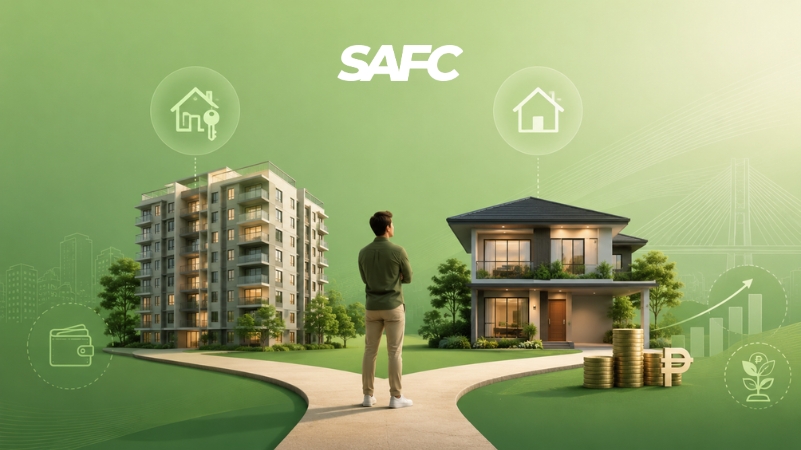
Choosing between renting or buying a house is one of the most important financial decisions Filipino adults will face in their lifetime. From young professionals starting their careers to families planning long-term stability, this decision directly affects financial health, lifestyle flexibility, and future security.
This topic has become even more relevant as property prices in the Philippines continue to rise, especially in key urban centers such as Metro Manila, Cebu, and Davao. At the same time, rental demand remains strong due to job mobility, overseas employment, and shifting family needs. These opposing trends make the rent-versus-buy decision more complex than ever.
Beyond numbers, the decision is often influenced by emotions—such as the desire for independence, security, or providing a permanent home for one’s family. However, financial experts emphasize that the choice should be guided primarily by long-term financial readiness rather than emotion alone.
This article will provide a structured comparison between renting and buying a home in the Philippine context. It will cover cost differences, advantages and disadvantages, financial readiness factors, and real-life scenarios to help readers make a more informed and practical decision based on their current life stage.
Understanding the Basics: Renting vs Buying a Home
Before deciding whether to rent or buy, it is important to clearly understand how each option works in the Philippine setting. Both come with different financial structures, responsibilities, and long-term implications for individuals and families.
What Does Renting Mean in the Philippines Context?
Renting a home in the Philippines typically involves paying a fixed monthly amount to a landlord or property owner in exchange for the right to live in a property. This arrangement is common in condominiums, apartments, and boarding houses, especially in urban areas where mobility and convenience are priorities.
In most rental agreements, tenants sign a lease contract that outlines the duration of stay, monthly rent, security deposit, and house rules. Lease terms can range from short-term (6 months) to long-term (1–2 years), depending on the agreement with the property owner.
One of the key advantages of renting is flexibility. Tenants can relocate more easily when job opportunities or personal circumstances change, making it a practical option for young professionals and OFWs who may not have long-term settlement plans in one location.
What Does Buying a Home Mean?
Buying a home in the Philippines involves acquiring full ownership of a property, usually through a housing loan from banks, government institutions like Pag-IBIG Fund, or in-house developer financing. Unlike renting, buying requires a significant upfront financial commitment.
This typically includes a down payment, which may range from 10% to 30% of the property value, followed by monthly amortization payments over a period that can extend from 10 to 30 years depending on the loan agreement.
Ownership gives the buyer full control over the property, including the ability to modify, improve, or lease it out. Over time, the property may also increase in value, making it a potential long-term investment asset. However, it also comes with long-term financial responsibility, including maintenance costs, property taxes, and insurance obligations.
For many Filipinos, housing loans—such as those offered by Pag-IBIG or banks—make homeownership more accessible, but careful financial planning is still essential before committing.
Cost Comparison: Renting vs Buying in the Philippines
One of the most critical factors in the rent-or-buy decision is cost. While renting may seem more affordable in the short term, and buying may appear expensive upfront, the true comparison becomes clearer when monthly expenses, hidden costs, and long-term financial impact are considered together.
Monthly Expenses Breakdown
When renting a home, the primary recurring cost is the monthly rent. This amount is usually fixed within the lease contract for the duration of the agreement. Renters may also need to shoulder utility bills such as electricity, water, internet, and sometimes association dues in condominiums.
In contrast, buying a home involves monthly mortgage amortization, which is the repayment of a housing loan. This amount depends on the loan term, interest rate, and total loanable amount. While amortization may sometimes be similar to rent in certain areas, homeowners also need to consider additional costs such as utilities, homeowners’ association dues, and regular maintenance expenses.
Hidden Costs You Need to Consider
Beyond monthly payments, both renting and buying come with hidden financial considerations.
For homebuyers, one of the biggest upfront costs is the down payment, which typically ranges from 10% to 30% of the property price. There are also bank interest rates that significantly affect the total repayment over time. Other long-term expenses include property taxes, insurance, repairs, and maintenance costs, which are fully shouldered by the owner.
For renters, hidden costs are generally lower but still present. These may include security deposits (usually equivalent to 1–2 months’ rent), advance rent payments, and occasional rent increases when contracts are renewed. While renters avoid maintenance costs, they also do not build any ownership equity from these payments.
Long-Term Cost Analysis (5–20 Years)
Over a short period, renting is often the more budget-friendly option due to lower upfront costs and financial flexibility. However, over a longer period—typically 10 to 20 years—renting can become more expensive as monthly payments accumulate without resulting in ownership.
On the other hand, buying a home becomes financially beneficial in the long run once the mortgage is fully paid. Instead of continuing to pay rent indefinitely, homeowners eventually gain full ownership of an appreciating asset. In many cases, this provides both financial stability and potential wealth growth.
The key difference lies in equity: renters continuously pay for housing without ownership, while buyers gradually build equity in a tangible asset over time.
Pros and Cons of Renting a House
Renting remains a popular choice among Filipinos, especially in highly urbanized areas where flexibility and mobility are essential. However, like any financial decision, it comes with both advantages and limitations that should be carefully considered.
Advantages of Renting
One of the biggest advantages of renting is flexibility to move anytime. Renters are not tied to a long-term financial commitment, making it easier to relocate for work, family needs, or lifestyle changes.
Another key benefit is the lower upfront cost. Unlike buying a home, renting does not require a large down payment or long-term loan approval. Most renters only need to pay a security deposit and advance rent, making it more accessible for individuals who are still building their savings.
Renting also eliminates the burden of maintenance responsibility. Repairs, structural issues, and major maintenance concerns are typically handled by the property owner, reducing unexpected financial stress for tenants.
This setup is especially ideal for OFWs, young professionals, and individuals who prioritize career mobility or are still exploring long-term settlement plans.
Disadvantages of Renting
Despite its flexibility, renting has long-term financial limitations. The most significant drawback is the lack of ownership equity. Monthly rent payments do not contribute to any asset or long-term investment.
Another concern is rent increases over time. As property values and demand rise, landlords may adjust rental rates during contract renewals, which can make long-term budgeting less predictable.
Renters also face limited customization options. Since the property is not owned, tenants are often restricted from making significant modifications or improvements to the home, limiting personalization and long-term comfort.
Pros and Cons of Buying a House
Buying a home is often seen as a major milestone for Filipino families. It represents stability, long-term security, and financial maturity. However, it also requires careful planning due to its financial responsibilities and long-term commitment.
Advantages of Buying
One of the strongest advantages of buying a home is the ability to build long-term equity. Every payment made toward a housing loan contributes to ownership of an asset that can increase in value over time.
Homeowners also benefit from stable monthly payments, especially when using fixed-rate loans. Unlike rent, which may increase periodically, mortgage payments are generally more predictable, making long-term budgeting easier.
Another key benefit is the sense of security and ownership. Having a permanent home provides emotional stability, especially for families who want a fixed place to settle and grow.
Buying a property also offers potential investment growth. Over time, real estate values in key locations in the Philippines tend to appreciate, allowing homeowners to build wealth through property value increases.
Disadvantages of Buying
Despite its benefits, buying a home comes with significant financial obligations. The most immediate challenge is the high upfront costs, including down payments, processing fees, and other initial expenses.
Homeownership also involves a long-term financial commitment, often spanning 10 to 30 years of monthly amortization. This can limit financial flexibility, especially during unexpected life changes.
Unlike renting, homeowners are responsible for maintenance and repair costs. From minor repairs to major structural issues, these expenses can add up over time and must be factored into the budget.
There is also a risk if property value drops. While real estate generally appreciates over time, market fluctuations or poor location choices may affect resale value in the future.
Financial Readiness Checklist: Are You Ready to Buy?
Before committing to a housing loan, it is essential to assess financial readiness. Buying a home is not only about affordability today, but also about long-term stability and the ability to sustain payments over many years.
Income Stability
One of the most important indicators of readiness is job security and monthly income consistency. A stable and predictable income stream allows a buyer to comfortably cover monthly amortization without risking financial strain.
For many Filipinos, especially those in private employment or freelance work, income variability should be carefully evaluated before taking on a long-term housing loan commitment.
Savings & Emergency Fund
Financial experts generally recommend having at least 3–6 months’ worth of expenses saved as an emergency fund before purchasing a home. This serves as a financial cushion in case of job loss, medical emergencies, or unexpected expenses.
In addition to emergency savings, readiness for the down payment is crucial. Since down payments typically range from 10% to 30% of the property value, buyers must ensure they are not relying on loans or credit to cover this initial cost.
Credit Score & Loan Eligibility
Banks and lending institutions in the Philippines assess loan applicants based on credit history, income level, and repayment capacity. A strong credit profile increases the chances of loan approval and may also result in better interest rates.
Government programs such as the Pag-IBIG Fund also have specific eligibility requirements, including membership contributions and employment status. Understanding these requirements early helps potential buyers prepare financially and improve their chances of approval.
At this stage, some financial institutions such as SAFC may also provide alternative financing options for individuals who may not yet qualify for traditional bank housing loans, offering additional pathways toward homeownership.
When Renting Makes More Sense
Renting is often the more practical choice in certain life situations, especially when financial flexibility and mobility are higher priorities than long-term ownership.
Short-term stay (less than 3–5 years) is one of the strongest indicators that renting is more suitable. If an individual is unsure about staying in a specific city or location for a long period, committing to a housing loan may not be financially efficient.
Career mobility or relocation plans also make renting more ideal. Many Filipinos working in corporate roles, BPO industries, or overseas assignments may need to move frequently, making a long-term property commitment less practical.
Renting is also better suited for those with limited savings for down payment. Since buying a home requires a significant upfront cost, renting allows individuals to allocate funds toward savings, investments, or emergency needs instead.
Lastly, individuals with uncertain long-term plans—whether related to career, family, or location—may benefit more from renting until they achieve greater financial and life stability.
When Buying Makes More Sense
Buying a home becomes a more practical and financially sound decision when an individual is already stable in both career and long-term life plans.
Long-term settlement (5–10+ years) is one of the strongest indicators that buying is a better option. When a family or individual plans to stay in one location for an extended period, homeownership provides stability and long-term financial benefit.
Stable income and career security are also essential. A consistent monthly income ensures that housing loan amortizations can be paid without strain, reducing the risk of default and financial stress.
Family planning is another key factor. Many Filipinos choose to buy a home when starting or expanding a family, as it provides a permanent and secure environment for children and long-term living arrangements.
Finally, an investment mindset supports the decision to buy. Individuals who view property as a long-term asset rather than just a place to live are more likely to benefit from potential property appreciation and equity growth over time.
Conclusion: The Smart Choice Depends on Your Financial Stage
There is no universal answer to whether it is better to rent or buy a house in the Philippines. The right decision depends heavily on an individual’s financial situation, career stability, and long-term life goals.
For some, renting provides the flexibility needed during early career stages or periods of uncertainty. For others, buying becomes the more strategic option when income is stable and long-term settlement is already a clear priority. Both choices can be financially sound when aligned with the right life stage and financial capacity.
What matters most is financial planning over emotional decision-making. Choosing a home should not be driven solely by urgency, social pressure, or lifestyle aspirations, but by a realistic assessment of income, savings, and long-term responsibilities.
Ultimately, Filipinos are encouraged to evaluate both their lifestyle needs and financial readiness before making a commitment. With proper planning and the right financial support, whether renting or buying, individuals can move toward greater stability and security in their housing journey.