Quick answer
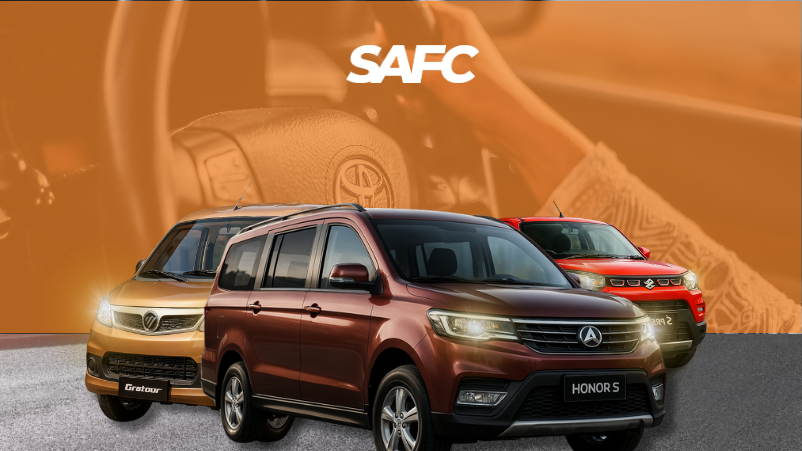
The cheapest brand-new passenger-capable vehicle in the Philippines in 2026 is the Kaicene Honor S, an ultra-budget MPV/van starting around ₱515,000. Among mainstream, dealer-everywhere options, the cheapest is the Toyota Wigo at about ₱615,000. The cheapest brand-new electric car most buyers can actually live with is the VinFast VF 3, from roughly ₱645,000 under its battery-subscription plan (about ₱745,000 with the battery included).
Cheapest cars by category (2026)
| Category | Best pick | Starting price (SRP) |
| Cheapest overall (passenger-capable) | Kaicene Honor S (MPV/van) | ~₱515,000 |
| Cheapest mainstream city car | Toyota Wigo | ~₱615,000 |
| Best fuel efficiency (gas) | Suzuki S-Presso | ~₱634,000 |
| Most space for the money | MG 5 | ~₱698,888 |
| Lowest scheduled maintenance | Volkswagen Santana | ~₱686,000 |
| Cheapest practical EV | VinFast VF 3 | ~₱645,000* |
| Most versatile utility vehicle | Foton Gratour | ~₱570,000 |
*VF 3 from ~₱645,000 with battery subscription; ~₱745,000 battery-included.
How we chose
This list covers brand-new vehicles on sale in the Philippines in 2026 with a starting SRP at or below roughly ₱700,000. We weighed four things: current sticker price, real-world running cost (fuel or electricity plus scheduled maintenance), practical usability for Philippine conditions (ground clearance, cabin space, parts and service availability), and standard safety equipment. We separate passenger cars from commercial/utility vehicles, because “cheapest car” usually means a daily driver — but the work-vehicle options matter for entrepreneurs, so they get their own section.
A note on prices: while a weaker peso and higher input costs have pushed some costs up, intense competition — especially from new Chinese brands and EVs — has kept entry-level car prices largely flat or even falling over the past couple of years. Most budget models in this guide are priced similarly to last year. Prices still vary by dealer and promo, so shop on current, dealer-confirmed SRPs.
This guide is compiled by SAFC, a financing company that has helped Filipinos buy cars and trucks since 2003.
Budget passenger cars
Toyota Wigo — ~₱615,000

The default safe choice. The Wigo pairs a frugal 1.0L engine with Toyota’s nationwide dealer and parts network, which is the single biggest reason it stays a best-seller. Newer trims add a CVT automatic and a touchscreen; even the base car gets dual airbags and ABS. Best for first-time city drivers who value resale and easy servicing over outright features.
Trade-off: modest power and a tight cabin.
Versus the S-Presso: broader dealer coverage, but less ground clearance.
Suzuki S-Presso — ~₱634,000

A micro-crossover hatch with SUV-style ground clearance, which genuinely helps during rainy-season street flooding. It’s also the cheapest way into a new automatic, thanks to the AGS variant. Real-world economy lands around 11 km/L in the city and up to ~25 km/L on the highway — strong, but quote it city/highway rather than as one optimistic combined number.
Trade-off: small, basic cabin.
Best for: commuters on rough urban roads who want an automatic cheaply.
Suzuki Dzire — ~₱609,000

One of the most affordable brand-new sedans, built on Suzuki’s lightweight platform for good economy and an unusually large trunk for the class. Dual airbags and ABS are standard. A favorite of new owners and ride-hailing drivers.
Trade-off: entry-level interior materials.
Versus the Mirage G4: sharper handling and lower fuel use.
Changan Alsvin — ~₱654,000

Punches above its price on style and features, with a 99 hp 1.4L engine, touchscreen, and — on higher trims — rarities like a sunroof and leatherette seats. An automatic option widens its appeal to first-timers who want comfort.
Trade-off: longer-term durability and resale are less proven than Japanese rivals.
Versus the Dzire: feels more upscale; Dzire wins on track record.
MG 3 — ~₱678,888 (base)

The performance pick of the group: roughly 112–118 hp, LED running lights, alloys, and a touchscreen. Note that MG has pushed the 3 upmarket — the hybrid top trim now runs well above ₱1M — so only the base variant fits a budget shortlist.
Trade-off: fuel economy on the gas variant is average for the segment.
Best for: younger buyers who want flair and pace.
Volkswagen Santana — ~₱686,000

German-feel build quality at a budget price, with a composed ride and a once-a-year maintenance schedule that meaningfully lowers running costs over time.
Trade-off: modest 89 hp and fewer tech features.
Versus the Alsvin: less gadgetry, more solidity and cheaper upkeep.
Kia Soluto — ~₱698,000

A no-fuss sedan with a roomy cabin, large trunk, and Kia’s long warranty for peace of mind. Higher trims add Apple CarPlay/Android Auto.
Trade-off: unremarkable to drive.
Best for: buyers who want a stress-free, long-term daily.
MG 5 — ~₱698,888

The space champion: near-Corolla-Altis dimensions for subcompact money, plus standard CarPlay/Android Auto, a reverse camera, and electronic stability control even on the base car.
Trade-off: efficiency is average; long-term reliability less proven than Toyota.
Best for: families wanting maximum room and kit per peso.
Budget commercial & utility vehicles
If you’re buying a work vehicle rather than a daily driver, these are the cheapest brand-new options.
Foton Gratour — ~₱570,000

The most flexible cheap workhorse, available as a dropside pickup, panel van, or MPV seating up to eight. A 1.5L engine and long wheelbase make it a practical small-business partner.
Versus the Kaicene Honor S: more body-style choices.
Suzuki Carry — ~₱614,000

A proven mini-truck with near one-ton payload, a tight turning circle for city work, and modular cab-and-chassis, pickup, or van layouts. Its big advantage is Suzuki’s wide nationwide parts and service coverage.
Best for: micro-entrepreneurs and delivery operators.
Toyota Lite Ace Pickup — ~₱651,000

Toyota reliability in a compact cargo hauler, using the same 1.5L engine family as the Vios, with dropside panels for easy loading. Slightly pricier than the Carry but backed by broader service coverage and a stronger engine.
Kaicene Honor S — ~₱515,000 (cheapest overall)

An ultra-budget MPV/van with dual sliding doors, 7–8 seats, a 10-inch touchscreen, and cargo or passenger configurations. Remarkable value for families on the tightest budgets or small enterprises needing flexible space.
For business buyers, SAFC also offers truck and commercial-vehicle financing.
Cheapest electric cars in the Philippines (2026)
EVs are now a real budget option, and the incentives change the math significantly.
EV incentives that lower your cost (under EVIDA / TRAIN Law):
- No excise tax on fully electric vehicles (hybrids pay 50%), which lowers the sticker price versus a comparable gas car.
- 30% discount on the annual motor-vehicle user charge for EVs (15% for hybrids).
- Number-coding exemption — EVs are not covered by the unified vehicular volume reduction (coding) scheme.
- Priority LTO registration and a special EV plate.
- 0% import tariffs on many EV categories, currently extended through 2028.
VinFast VF 3 — from ~₱645,000 (battery subscription) / ~₱745,000 (battery included)
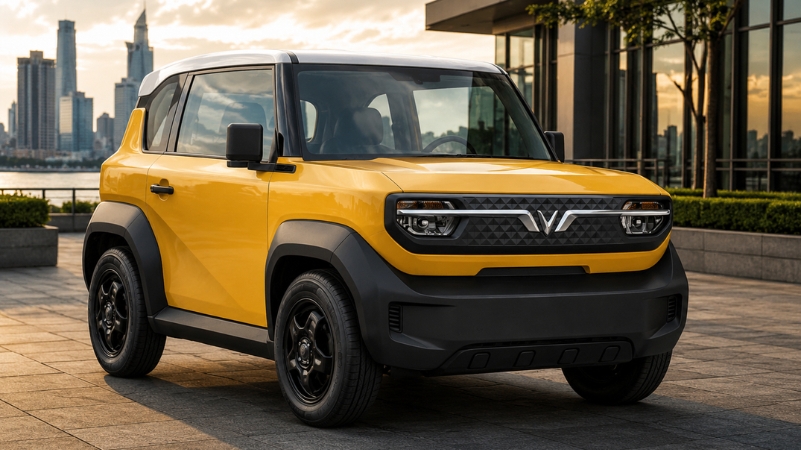
The headline budget EV of 2026. A mini electric SUV with a 43 hp motor, around 210 km of range, and 10–70% fast charging in about 36 minutes. Its standout is a battery-subscription model: you can buy the car cheaper and pay a monthly fee for the battery, with VinFast replacing it if capacity drops below 70%. It carries a long vehicle and battery warranty.
Watch-out: VinFast is a newer brand with a still-growing dealer and service footprint — check coverage near you before committing.
Wuling Macaron EV — ~₱663,000

A quirky two-door micro-EV seating up to four, with roughly 120–170 km of range — plenty for city errands. Whisper-quiet and cheap to charge.
Best for: eco-conscious city drivers and students.
Jetour Ice Cream EV — ~₱699,000

A sub-3-meter micro-EV with up to ~170 km range and a 100 km/h top speed, styled to stand out. Easy to park, cheerful, and efficient.
Versus the Macaron: a bit more range and motor for slightly more money.
Looking just above the budget ceiling? The Dongfeng Nano Box (~₱838,000) offers a longer ~331 km range if you can stretch the budget.
What else to weigh before you buy
Monthly payment, not just sticker price
Most Filipino buyers finance. As an illustration, the VinFast VF 3 has been advertised around ₱11,000/month over 60 months with a ~₱129,000 down payment. As a rough rule of thumb, expect a ~20% down payment and a 5-year term; the exact rate varies by bank, term, and promo, so always run the dealer’s actual computation.
If you’re financing, you can explore brand-new car financing and see how SAFC’s car loan application works before you commit.
Total cost of ownership
Sticker price is only the start. Add fuel or electricity, scheduled maintenance, insurance, and registration. A cheap car that drinks fuel or has costly parts can lose to a slightly pricier, more efficient one over five years. The Santana’s once-a-year service and any EV’s near-zero fuel cost are good examples of where the cheapest sticker isn’t the cheapest to own.
After-sales and parts network
This is where the budget Chinese and EV brands carry the most risk. Toyota, Suzuki, and Kia have dense nationwide service. Newer brands (VinFast, Changan, Wuling, Jetour, Foton, Kaicene) are expanding fast but vary by region — confirm there’s a service center you can reach before you buy.
Safety
Check the standard safety kit. Dual airbags and ABS are now common even at this level; stability control (as on the MG 5 and S-Presso AGS) is a meaningful plus. Where available, look up the model’s ASEAN NCAP rating.
Top Budget Car Picks in the Philippines (2026): Category Winners
Finding the best budget-friendly car doesn’t mean settling for less. To make your decision easier, we’ve named the top performer in the categories that matter most to value-focused buyers — from price to long-term running cost. Each winner stands out on price, fuel or energy efficiency, features, or low upkeep, delivering the best value under ₱700,000.
🏆 Most Affordable Brand-New Car in the Philippines 2026: Kaicene Honor S — ~₱515,000

The cheapest brand-new, passenger-capable vehicle you can buy in 2026. This ultra-budget MPV/van seats 7–8, has dual sliding doors and a 10-inch touchscreen, and works as both a family hauler and a small-business vehicle — remarkable flexibility at the lowest price on the market.
💡 Best Value for Money: MG 5 — ~₱698,888

Near mid-size sedan space, a 1.5L engine, Apple CarPlay/Android Auto, and standard Electronic Stability Control — more size and kit per peso than anything else in its bracket.
🛠️ Lowest Maintenance Cost: Volkswagen Santana — ~₱686,000

Its once-a-year service schedule meaningfully lowers long-term costs, paired with solid European build quality and a spacious, composed ride.
⛽ Best Fuel Efficiency: Suzuki S-Presso — ~11 km/L city / 25 km/L highway

A frugal 1.0L engine in a lightweight body, plus high ground clearance for flood-prone streets — one of the cheapest cars to run day to day.
⚡ Best Budget EV: VinFast VF 3 — from ~₱645,000
The cheapest practical EV in 2026: ~210 km range, fast charging, a long warranty, and a battery-subscription option that lowers the entry price. EV perks (no excise tax, number-coding exemption, lower road fees) cut costs further. The Wuling Macaron EV (~₱663,000) remains a solid micro-EV runner-up for pure city use.
📦 Most Versatile Utility Vehicle: Foton Gratour — ~₱570,000

Available as MPV, van, or dropside pickup, carrying up to 8 passengers or generous cargo — ideal for entrepreneurs needing flexibility on a budget.
Frequently asked questions
What is the cheapest brand-new car in the Philippines in 2026? Among passenger-capable vehicles, the Kaicene Honor S MPV/van is the cheapest at about ₱515,000. The cheapest mainstream city car is the Toyota Wigo at around ₱615,000.
What is the cheapest brand-new automatic car? The Suzuki S-Presso AGS is the most affordable way into a new automatic, with the model starting around ₱634,000. The Changan Alsvin and MG 5 also offer automatic options just under ₱700,000.
What is the cheapest electric car in the Philippines? The VinFast VF 3 is the cheapest practical EV, from about ₱645,000 under its battery-subscription plan (roughly ₱745,000 with the battery included). Micro-EVs like the Wuling Macaron (~₱663,000) and Jetour Ice Cream EV (~₱699,000) are alternatives for pure city use.
What is the cheapest 7-seater? The Kaicene Honor S (~₱515,000) and Foton Gratour (~₱570,000) both offer up to 7–8 seats in their passenger configurations — the most seats per peso on the market.
Roughly how much is the monthly payment on a ~₱650,000 car? With about a 20% down payment over a 5-year term, expect very roughly ₱11,000–₱13,000 a month, depending on the bank’s rate and any promo. Always use the dealer’s actual computation — this is only an estimate.
Which budget car is best for Grab or ride-hailing? The Suzuki Dzire and Toyota Wigo are popular choices for their fuel economy, low running costs, and strong service networks. Check the platform’s current vehicle eligibility rules before buying.
Is it better to buy a cheap brand-new car or a used one? A brand-new budget car gives you a full warranty, the latest safety kit, and predictable costs. A well-maintained used car can offer more space or features for the same money but carries more condition risk. Match the choice to how long you plan to keep it and your tolerance for maintenance surprises.
Final thoughts
Buying brand-new on a budget in 2026 is more competitive than ever, with frugal city cars, flexible work vehicles, and — for the first time at this price — genuinely usable EVs. Look past the sticker price: weigh fuel or electricity, maintenance, after-sales reach, and resale before you commit, and confirm every figure with an authorized dealer.
Prices in this guide are SRPs gathered from Philippine dealer directories as of June 2026 and are indicative; they change frequently and vary by dealer and promo. This article is informational and is not financial advice.