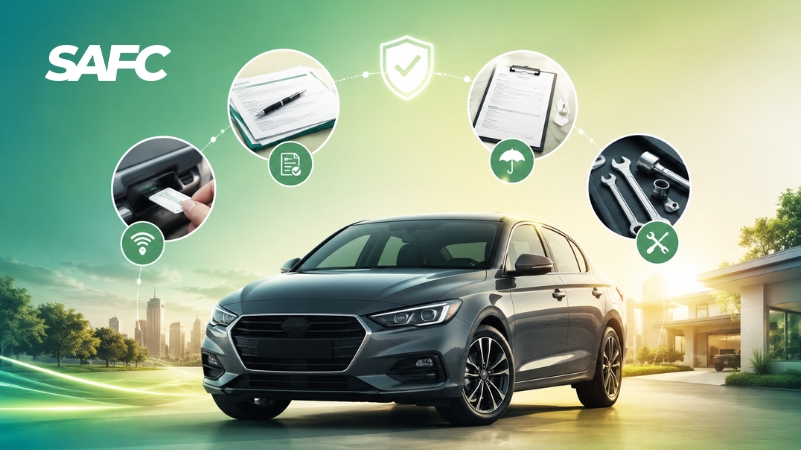
3 Things You Must Do Within 7 Days
Buying your first car is exciting, but the first week is when the real work begins. We at SAFC have walked many first-time owners through it, and the must-know things after buying a car in the Philippines come down to three priorities you should settle within seven days. The faster you handle them, the sooner you can drive with peace of mind.
In short: within your first week, secure your insurance, complete your LTO registration or transfer, and get your toll RFID tags.
Here is what those three priorities look like:
- Secure your insurance. For a brand-new car, get your Certificate of Cover (COC). For a second-hand unit, transfer the existing policy into your name so you are properly protected from day one.
- Complete your LTO registration or transfer. Brand-new cars are usually registered by the dealer, but for a private sale you must process the transfer yourself within the legal timeframe.
- Get your RFID tags. If you drive expressways around Metro Manila, you will want both Autosweep and Easytrip to pass through tollgates without delay. Have them installed for free at designated toll plazas, fitment centers, or select gas stations. You’ll only need to pay for the initial load, usually around ₱200–₱400.
Each of these deserves a closer look, so let us start where every new owner should — with the legalities and paperwork that make your ownership official.
1. Legalities & Paperwork

The first must-know items after buying a car in the Philippines fall under legalities and paperwork — the steps that make your ownership legal and your driving protected. Get these right early and you avoid penalties, delays, and stress down the road. We at SAFC help borrowers understand this process so they feel confident, not overwhelmed.
Insurance Coverage
Never drive without proper coverage. If your car is brand new, secure your Certificate of Cover (COC), which proves you are insured. If you bought a second-hand unit, have the existing policy transferred into your name so you are covered from day one.
You will also need CTPL (Compulsory Third-Party Liability) insurance, which pays for injury or death you may cause to other people in an accident. CTPL has long been required before the LTO will register your vehicle, and it typically costs around ₱600 to ₱1,500 annually.
Transfer and Registration
For a private sale, you must process the LTO transfer of the title and Deed of Sale into your name within the legal timeframe. For a brand-new car, the dealer usually handles registration — just confirm you received your Certificate of Stock Report (CSR) and Sales Invoice.
A key 2026 update: brand-new cars now receive a 5-year initial registration, up from the previous three years, with annual renewal required afterward. Your OR/CR is generally released within three to seven working days.
Number Coding Scheme
Check the final digit of your license plate to know your number coding day, when you cannot use major Metro Manila roads during rush hours.
| Plate Ending | Restricted Day |
| 1 and 2 | Monday |
| 3 and 4 | Tuesday |
| 5 and 6 | Wednesday |
| 7 and 8 | Thursday |
| 9 and 0 | Friday |
With your paperwork sorted, the next priority is getting your car ready for the road and the tollways.
2. Road & Toll Essentials
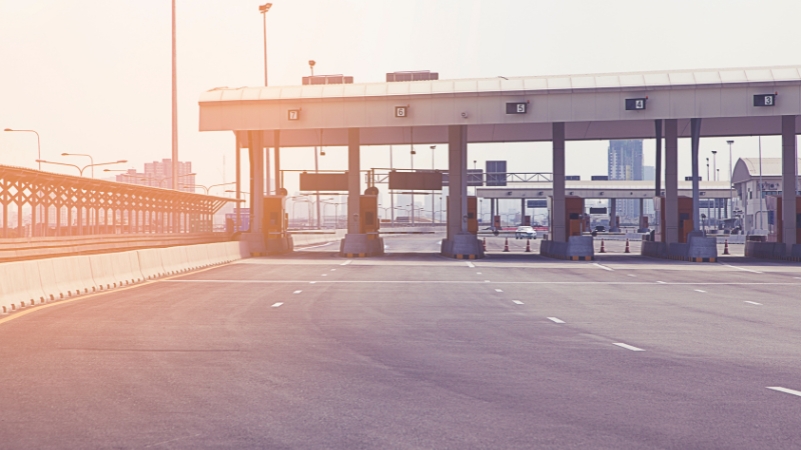
Once your paperwork is in order, the next must-know items are your road and toll essentials to keep your daily drive smooth and safe. These are small investments that save you time, money, and worry, especially on Metro Manila’s busy expressways.
RFID Stickers
Toll RFID stickers let you pass through expressway gates without stopping to pay cash. Which one do you need? It depends on the roads you use, so most NCR drivers get both:
- Autosweep RFID — for SLEX, Skyway, and the STAR Tollway.
- Easytrip RFID — for NLEX, SCTEX, and CAVITEX.
If you live in or regularly commute around Metro Manila, having both saves you from being turned away at a gate that only reads one system. You can buy Autosweep tags at SM mall outlets and Easytrip tags at kiosks near NLEX entry points.
In NCR you generally need both Autosweep and Easytrip RFID, because no single tag works on every expressway.
Emergency Kit
Keep a basic emergency kit in your trunk so a small problem on the road never becomes a big one. We at SAFC always remind first-time owners that preparation costs far less than a roadside emergency. Your kit should include:
- A multi-purpose wrench and a screwdriver set
- A jumpstarter cable or power bank
- A tire inflator and a tire gauge
- A fire extinguisher
- An LED flashlight and a reflective vest
With your car road-ready, the next thing to protect is the investment itself — through proper maintenance and care.
3. Maintenance & Care
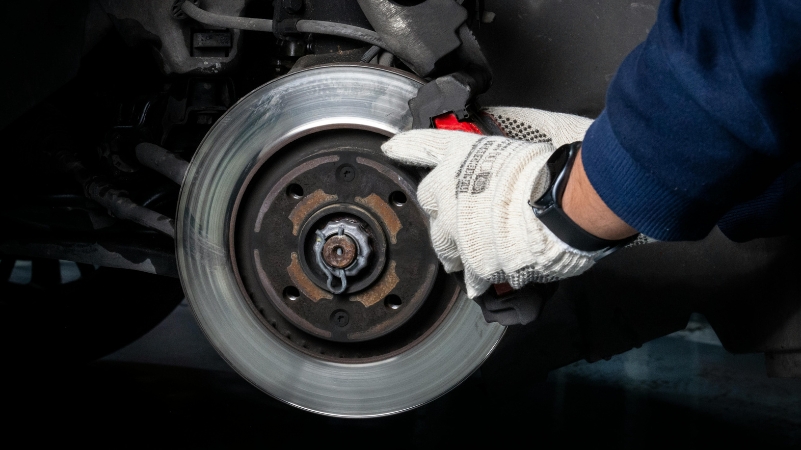
Good maintenance and care is how you protect the money you just spent. A well-kept car lasts longer, breaks down less, and holds more of its value if you ever sell it. The habits you build in your first year matter most.
Read the Owner’s Manual
Your owner’s manual is the single best guide to your specific car, so read it early. It explains what each dashboard warning light means and what your warranty covers — and remember, most warranties require you to have servicing done at the dealer to stay valid. The manual will also list your recommended service intervals, usually an oil change every 5,000 or 10,000 kilometers.
Preventive Maintenance Service (PMS)
Preventive Maintenance Service (PMS) is regular scheduled servicing that catches problems before they become expensive repairs. The general rule is to have it done every 5,000 kilometers or six months, whichever comes first. Each visit typically costs ₱3,000 to ₱5,000, so your first year — usually three services — often totals around ₱10,500 to ₱15,000.
Here is a simple breakdown of a typical first-year PMS schedule:
| Service Interval | What’s Included | Cost Range (₱) |
| 1,000 km | Oil change + inspection | 3,000–5,000 |
| 5,000 km | Oil + filter + inspection | 3,000–5,000 |
| 10,000 km | Oil + filter + brake check | 4,000–6,000 |
Second-Hand Car Check (Immediate Actions)
If you bought a used car, treat its first week as a fresh start. Get an oil change right away, replace the air, oil, and fuel filters, and have the brakes, fluids, and tires inspected. You will also need a PNP-HPG clearance (a Highway Patrol Group check confirming the car is not stolen) before you can register a used vehicle in your name. We at SAFC see many reliable second-hand units come through our repossessed car auctions, and a thorough first check gives every buyer peace of mind.
Budget for PMS every 5,000 km or six months, at roughly ₱3,000 to ₱5,000 per visit.
Once your car is running well, it’s worth thinking about how to keep it — and yourself, secure.
4. Security & Tech
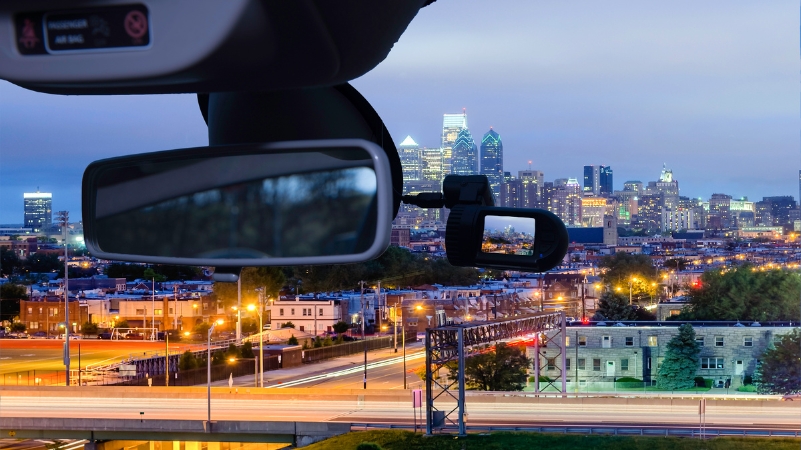
Modern security and tech add-ons protect both your safety and your wallet. Two are especially worth it for Filipino drivers: a dashcam for everyday peace of mind, and flood awareness for our typhoon season.
Dashcam
A reliable dashcam records your drive, giving you clear proof if you are ever in an accident. Many owners start with a front-facing camera and add a rear one later. When choosing, look for night vision, GPS logging, and at least 1080p resolution so the footage is clear enough to be useful.
Dashcam footage can serve as evidence for insurance claims and LTO or police reports, which is why we consider it one of the smartest low-cost upgrades for a new owner.
Flood Protection (Critical for PH)
Flooding is a real risk in the Philippines, and here is something many first-time owners learn too late: most standard car insurance policies do not automatically cover flood damage. It pays to confirm exactly what your policy includes.
Protect yourself with a few simple habits:
- Know your area’s flood risk by checking centralized government platforms like the HazardHunterPH Tool or the NOAH Platform online.
- Park on higher ground when a typhoon is coming.
- Never drive through flooded roads — the water is often deeper than it looks.
- If you do get stuck, turn off the engine and wait for the water to recede rather than restarting it.
Knowing these risks helps, but rules and requirements also change — so let’s look at what’s new for 2026.
2026 LTO & Insurance Updates
A few 2026 LTO and insurance updates are worth knowing, because the rules around registration have shifted in your favor this year. Staying current helps you avoid penalties and plan your costs.
Here is what changed and what stayed the same:
- Brand-new cars now get a 5-year initial registration. Effective February 15, 2026, the validity of registration for brand-new cars and motorcycles was extended from three years to five, mainly to cut the long queues at LTO branches.
- Annual renewal still applies after the initial period. Once your five years are up, you return to renewing your registration every year based on your plate’s schedule.
- CTPL is required before registration. You must present valid CTPL coverage before the LTO will register or renew your vehicle.
- LTO digital services continue to expand. The LTO is pushing further digitization, including online and app-based options for transactions like renewal.
As of February 15, 2026, brand-new vehicles receive a 5-year initial registration instead of the previous three.
These updates make the early years of ownership a little easier — but to be fully prepared, it helps to have quick answers to the questions new owners ask most.
What First-Time Vehicle Owners Recommend

Beyond the official requirements, experienced first-time owners tend to recommend a few practical extras that make daily driving easier. These come up again and again in owner communities, and they’re worth knowing before you hit the road.
Here’s what seasoned new owners suggest:
- Carry an EWD (Early Warning Device) — the reflective triangle you place behind a stalled car — if one didn’t come with your vehicle.
- Keep a tire gauge and a tire pump handy so you can check and top up pressure yourself.
- For paint protection, many owners find PPF (Paint Protection Film) more practical than ceramic coating for everyday cars, since it guards against scratches and chips rather than just adding shine.
- Get both Autosweep and Easytrip RFID if you drive in NCR or travel to the provinces.
On budgeting, the most common advice is to plan for the full cost of ownership, not just the monthly amortization. We at SAFC encourage borrowers to budget for insurance, PMS, fuel, and toll fees together, so the real monthly cost never comes as a surprise.
Beyond your loan payment you should budget monthly for insurance, maintenance, fuel, and tolls — these recurring costs are what catch most first-time owners off guard.
With the practical extras covered, the last step is turning everything into a clear, do-it-now action list.
Common Mistakes First-Time Car Owners Make
Knowing the common mistakes first-time car owners make is one of the easiest ways to save money and stress. Most of these slip-ups are small and completely avoidable once you know what to watch for. We at SAFC walk new owners through these so the excitement of a first car doesn’t turn into an expensive lesson.
Here are the mistakes to avoid:
- Ignoring dashboard warning lights — these are your car’s way of flagging a problem early; don’t wait for it to get worse.
- Skipping oil changes — old oil wears down your engine faster than almost anything else.
- Forgetting to check tire pressure — under-inflated tires hurt fuel economy and are unsafe.
- Using the wrong fuel or oil type — always follow what your owner’s manual specifies.
- Not following the PMS schedule — missing services can also void your warranty.
- Overlooking small repairs — minor issues left alone tend to become major bills.
- Driving without CTPL — this third-party insurance is legally required before your vehicle can be registered, so never let it lapse.
- Ignoring flood risk — remember that flood damage is usually an optional add-on, not part of basic coverage.
The most costly first-year mistakes are skipping scheduled maintenance and letting required insurance lapse — both are cheap to prevent and expensive to fix.
Avoiding these missteps sets you up well. From here, it helps to pull everything together into a simple action list.
Which Path Applies to You?

Your exact next steps depend on your situation, so here’s a quick way to narrow it down. The biggest factor is whether your car is brand new or second-hand, because that changes who handles your paperwork.
If your car is brand new, the path is simpler:
- Your dealer usually handles the LTO registration for you.
- Make sure you receive your Certificate of Cover (COC) for insurance.
- Your registration is valid for five years before the first renewal.
If your car is second-hand, a bit more is on you:
- You must process the transfer at the LTO yourself.
- You’ll need a PNP-HPG clearance confirming the car isn’t stolen.
- Optionally, refreshing the upholstery or interior can make a used unit feel new. Many of the well-maintained second-hand units in our repossessed car auctions are a practical way to own a car for less.
You may also be deciding what to research first. For LTO requirements, refer to the documents covered earlier — Sales Invoice, CSR, CTPL, and emission test. For insurance, comparison platforms like Cebuana Lhuillier, Expressway.ph, and Moneymax let you weigh providers side by side.
Brand-new car owners mostly verify the dealer’s paperwork, while second-hand buyers must handle the LTO transfer and secure a PNP-HPG clearance themselves.
With your path clear, here’s everything summed up into five simple action items.
Summary: 5 Action Items for New Car Owners
To wrap up, here are the five action items for new car owners that pull this whole checklist together. Tackle these in your first weeks and you’ll be a confident, fully-covered owner. We at SAFC hope this guide makes your first car feel like the milestone it should be.
- Secure your insurance. Get a COC for a brand-new car or transfer the policy for a used one — and remember that CTPL is required before registration.
- Complete your LTO registration promptly. For a brand-new car, your conduction sticker works as a temporary plate for 15 days from the sales invoice date, and you can keep driving once you have your OR/CR.
- Get your RFID tags. If you drive in NCR, get both Autosweep and Easytrip so you’re covered on every expressway.
- Follow your PMS schedule. Service every 5,000 km or six months, at roughly ₱3,000 to ₱5,000 per visit (estimates that vary by brand and model).
- Check your flood coverage. Confirm whether your policy includes flood damage, since it’s usually an optional Acts of Nature add-on rather than standard.
The very first things to do after buying a car are securing insurance and completing registration — everything else builds on those two.