Rising diesel prices in the Philippines are squeezing drivers, from TNVS operators to delivery riders, but simple fuel-saving tips can help reduce fuel costs significantly. Imagine a Grab driver in Manila who cut expenses by 15% just by smoothing out acceleration—practical changes like this make a real difference.
Fuel-saving tips for drivers start with maintaining proper tire pressure, which boosts efficiency by up to 10% on diesel vehicles navigating traffic. Delivery rider fuel savings come from avoiding idling during stops, a habit that wastes liters daily but turns into savings with discipline. For TNVS fuel efficiency, sticking to 1,500-2,000 RPM while cruising slashes consumption, as proven in real-world tests yielding 3.65 km/L even on tough routes.
Why Diesel Prices Are Rising and How It Affects Drivers
Noticed how your diesel tank is emptying faster these days, or rather, costing way more to fill up? You’re not alone—diesel prices in the Philippines have surged dramatically this March 2026, hitting drivers right in the wallet.
Let’s break it down. Global oil market factors are the big culprit, especially escalating Middle East tensions like conflicts in Iran that have spiked crude prices worldwide. The Philippines imports about 99% of its petroleum, so when wars disrupt supply chains, we feel it fast at the pump. Local diesel price trends show massive hikes: from around ₱58 per liter in February to ₱66 early March, jumping to ₱74 by March 10, and soaring up to ₱94 by late March with increases of ₱19-24 per liter in staggered rolls.
This rising fuel costs nightmare hits hardest for everyday biyaheroes like TNVS drivers and delivery riders. For a typical TNVS operator burning 200 liters monthly on Manila routes, fuel expenses impact jumps from ₱11,600 to nearly ₱18,800, that’s over ₱7,000 extra just to keep wheels turning. Delivery riders face the same pinch, with oil price hike in the Philippines forcing longer hours or slimmer margins amid GrabFood and Lalamove demands.
Here’s a quick look at the trend:
| Date | Avg Diesel Price (₱/L) | Monthly Fuel Spend (200L, TNVS) |
| Feb 2026 | 58.00 | 11,600 |
| Early Mar 2026 | 66.00 | 13,200 |
| Mar 10, 2026 | 74.00 | 14,800 |
| Mid-Mar 2026 | 85.00 | 17,000 |
| Late Mar 2026 | 94.00 | 18,800 |
These numbers aren’t abstract—they mean real struggles for families relying on ride-hailing or deliveries to pay bills. But understanding this oil price hike Philippines context empowers you to fight back with smarter habits coming up next.
Top Fuel-Saving Tips for Drivers
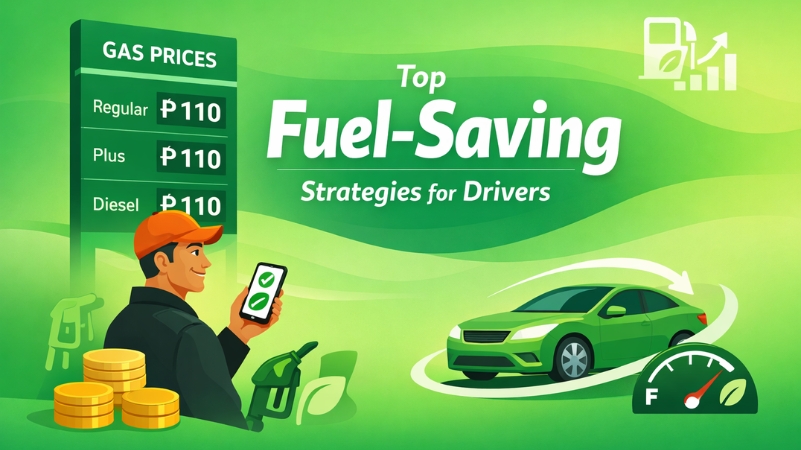
Rising diesel prices demand action, and these proven fuel-saving tips Philippines can cut your costs by 10-30% with consistent effort. Whether you’re mastering how to save fuel diesel or building efficient driving habits, each strategy below delivers real, measurable reduced fuel consumption results tailored for local roads.
1. Optimize Your Driving Habits
Mastering steady speed is key—cruising at 60-80 kph on highways uses up to 20% less diesel than fluctuating speeds in EDSA traffic. Avoid rapid acceleration and braking, which guzzle 15-25% more fuel; instead, accelerate gently over 5-7 seconds to reach speed.
Turn off your engine during long stops to eliminate excessive idling, which wastes 0.5-1 liter per hour, and practice coasting downhill while using smooth gear changes to stay in optimal RPM ranges. A Manila TNVS driver applying these top 5 driving habits to save fuel reported 12% monthly savings, or about ₱2,000 on 200 liters.
Quantified: Steady speed saves 10-15%; no idling adds 5-10%; smooth habits yield another 10%.
2. Plan Your Trips Smartly
Combine errands into one trip, like grocery runs with bank visits, to slash empty miles by 30% and boost efficiency. Explore carpooling via apps like GrabShare, cutting your solo fuel use in half on shared routes.
Avoid peak traffic using route optimization apps like Waze or Google Maps, which reroute around Manila gridlock for 15-20% better mileage. One delivery rider planning trips to reduce fuel consumption saved ₱1,500 weekly by batching Quezon City drops, avoiding 2 hours of idle crawl daily.
Daily example: Four short trips become one 20-km loop, saving 1-2 liters or ₱100 at ₱94/L.
3. Keep Your Vehicle Well-Maintained
Check tire pressure monthly—underinflated tires by 10 psi increase rolling resistance, burning 10% extra fuel; proper 32-35 psi for most diesels reverses that loss. Schedule engine tune-ups every 5,000 km, plus oil and filter replacements to ensure smooth combustion, and align wheels to prevent pulling that adds drag.
A TNVS driver in Makati ignored maintenance until fuel hit 40% over norms; after tire fix, tune-up, and alignment, he regained 3.2 km/L, saving ₱4,000 monthly on vehicle maintenance tips to reduce fuel costs. These steps cost under ₱2,000 but pay back fast.
Pro tip: Clean air filters quarterly for another 5-10% gain.
4. Use Financial Tools to Reduce Fuel Expenses
Leverage credit card fuel rebates to offset pump pain—stack them with station promos for double savings. Here’s a quick comparison:
| Provider | Rebate Rate | Monthly Cap | Best For |
| Caltex | 5-10% off | ₱1,000 | High-volume TNVS |
| Petron | 4-8% cashback | ₱800 | Delivery riders |
| Shell | 6% + points | ₱1,200 | Frequent refills |
| Unioil | 3-7% promo | ₱500 | Budget cards |
Price-lock apps like PriceLOCQ let you buy fuel credits at today’s rate for 30-90 days ahead, locking below hikes (pros: hedge rises, easy app; cons: upfront payment, small fees). A rider using Shell card plus PriceLOCQ on 200L cut effective cost from ₱94/L to ₱82/L, saving ₱2,400 monthly despite hikes.
Breakdown: Rebates yield ₱1,000-2,000; locks add ₱500-1,500—total impact rivals driving tweaks.
5. Upgrade Vehicle or Fuel Strategy When Needed
Spot signs your rig guzzles too much: below 8 km/L city, rising repair bills over ₱5,000 quarterly, or age past 10 years eating 25% extra fuel. Don’t patch forever—finance fuel-efficient swaps via low-interest loans from South Asialink Finance Corporation or similar for TNVS-approved models.
Compare diesel vs hybrid: Basic diesel pickups lag at 10-12 km/L, while hybrids like Toyota Corolla Cross hit 20+ km/L, slashing bills by 40% despite higher upfront cost (₱1.5M vs ₱800K). Delivery riders financing hybrids recoup via 50% fuel drop in 18 months, blending info with smart commercial moves for long-term wins.
Driver-Specific Fuel Saving Tips
Ever felt that pinch at the pump after a long shift? TNVS fuel efficiency and fuel tips for delivery riders can turn those rough days around, especially for Grab drivers battling EDSA or Shopee riders stacking orders in the rain.
Picture Mang Tony, a TNVS driver hustling Grab rides in Quezon City. He switched to the best shifts—early mornings or late evenings—dodging peak traffic that kills mileage, then started carpooling with buddies via GrabShare for multiple trips in one go. Instead of solo loops, he splits fares and fuel, pocketing an extra ₱500 daily while keeping his diesel under 10 km/L.
Delivery riders, take notes from Jessa, a Shopee rider in Manila. She maps fuel-efficient routes on Waze, batching deliveries in one barangay before moving—think five Makati drops in 45 minutes versus scattered chaos. Quick maintenance like weekly tire checks keeps her scooter humming without the drag, saving her 2 liters a day on those frantic runs.
Tools and Apps to Track Fuel Efficiency
Fuel tracking apps and route optimization apps are game-changers for mobile apps for drivers in the Philippines, helping you monitor every peso spent on diesel. These fuel efficiency tools Philippines turn data into dollars saved, with real-time insights on consumption and smarter paths.
- PriceLOCQ: Lock in today’s diesel rates for future fill-ups via app credits—perfect for hedging hikes; input your volume, pay upfront, redeem at stations (saves 5-15% on volatile weeks).
- Waze: Crowd-sourced route optimization apps that dodge Manila jams, suggesting 10-20% shorter trips; pair with voice alerts for hands-free TNVS use.
- GasBuddy/GetGas alternatives (like GAS-PH, Fuelio): Scan nearest pumps for lowest prices, log fill-ups to track km/L, and generate reports—Fuelio charts your efficiency trends post-refuel.
How to Use Apps to Reduce Fuel Costs: Download, link odometer via GPS, log each diesel top-off with liters and amount, then review weekly stats—Waze for routes, Fuelio for trends, PriceLOCQ for buys. A Grab driver batching via Waze + Fuelio saw 12% drops in spend.
| App | Key Feature | Savings Example |
| PriceLOCQ | Price locking | ₱500/mo on 200L |
| Waze | Traffic rerouting | 15% less mileage |
| Fuelio/GAS-PH | Consumption logs | Track 10% gains |
Key Takeaways and Action Plan

Saving fuel tips in the Philippines are within reach—craft your save fuel plan today as your trusted guide to lasting driver savings plan success amid rising costs. This fuel efficiency checklist distills the top strategies into simple, finance-aware steps for immediate impact.
Top 5 Strategies Summary:
- Optimize driving habits: Steady speeds and no idling save 20-30% instantly.
- Plan trips smartly: Combine routes via apps for 15-20% less mileage.
- Maintain your vehicle: Tires and tune-ups yield 10-15% efficiency gains.
- Use financial tools: Rebates and price locks cut effective costs by 10%.
- Upgrade when needed: Hybrids slash long-term fuel use by 40%.
Fuel Efficiency Checklist:
| Frequency | Actions |
| Daily | Check tire pressure; use Waze for routes; avoid rapid acceleration/braking. |
| Weekly | Clean air filter; track km/L; combine errands. |
| Monthly | Full tune-up; apply rebates; review fuel spend vs last month. |
Implement now and pocket the difference—track your first week’s wins! For game-changing upgrades, explore our financing solutions for fuel-efficient vehicles at SAFC. Your path to smarter, sustainable driving starts here.