Every year during March, Fire Prevention Month in the Philippines is observed to raise awareness about the dangers of fire and the importance of safety preparedness. This nationwide campaign encourages individuals, families, and businesses to learn practical ways to prevent fires and respond properly during emergencies.
Through public education and safety programs, Fire Prevention Month highlights simple but effective fire safety tips residents can apply in their daily lives. From proper electrical use at home to implementing safety procedures in workplaces, fire prevention plays a critical role in protecting lives and property.
This article aims to provide practical fire prevention tips for homes and guidance on fire safety for businesses in the Philippines, helping communities stay informed and prepared.
Why Fire Safety Remains a Major Concern in the Philippines
Fire incidents remain a serious concern across the country, especially during the hot and dry season. During summer, higher temperatures and increased electricity usage can raise the risk of fire outbreaks in residential areas and commercial establishments.
Many fire incidents are linked to the common causes of fire in the Philippines, such as faulty electrical wiring, overloaded outlets, unattended cooking, and the improper use of flammable materials. When these risks are not addressed, fires can spread quickly, particularly in densely populated communities.
The consequences of fire extend beyond property damage. Homes can be destroyed, small businesses may lose their source of income, and entire communities can experience disruption. Strengthening fire emergency preparedness is therefore essential to reduce these risks and improve overall safety.
What Is Fire Prevention Month in the Philippines?
When Is Fire Prevention Month Observed?
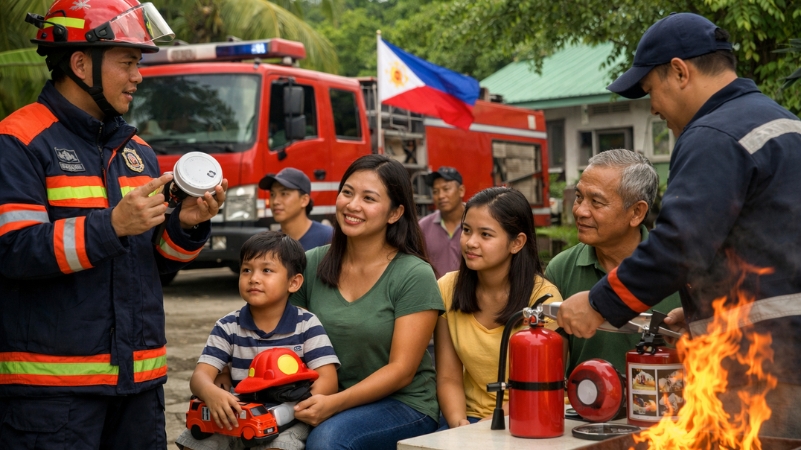
Fire Prevention Month in the Philippines is observed every March as a nationwide campaign that promotes fire safety awareness and prevention. The initiative is organized by the Bureau of Fire Protection and implemented across communities, schools, and business establishments throughout the country.
As part of the annual Fire Prevention Month campaign, the Bureau of Fire Protection conducts safety seminars, fire drills, inspections, and public information drives. These activities aim to educate the public about the common causes of fire that communities face and encourage individuals and organizations to practice responsible fire safety measures.
Through the Bureau of Fire Protection fire safety campaign, the government emphasizes the importance of prevention, preparedness, and quick response to reduce fire-related risks and protect lives and property.
Why March Was Chosen for Fire Prevention Month
March was chosen for Fire Prevention Month in the Philippines because it marks the beginning of the country’s hot and dry season. During this time, higher temperatures and increased electricity usage can raise the risk of fire incidents in both residential and commercial areas.
Because of these conditions, the March Fire Prevention Month campaign reminds households and businesses to strengthen their fire emergency preparedness and apply practical fire safety tips to reduce fire hazards.
Fire Safety Awareness Campaigns Around the World
Fire safety awareness is not limited to the Philippines. Many countries organize similar campaigns to educate the public and promote prevention. For example, the United States observes Fire Prevention Week every October, led by organizations such as the National Fire Protection Association.
Although the schedule may differ, these global campaigns share common goals:
- Increasing public awareness about fire risks
- Teaching prevention strategies for homes and workplaces
- Promoting emergency preparedness and safety planning
Like other international initiatives, Fire Prevention Month in the Philippines focuses on building stronger community fire safety awareness, helping families, businesses, and local leaders understand how simple safety practices can prevent devastating fire incidents.
Fire Statistics in the Philippines: Why Prevention Matters
How Common Are Fire Incidents in the Philippines?
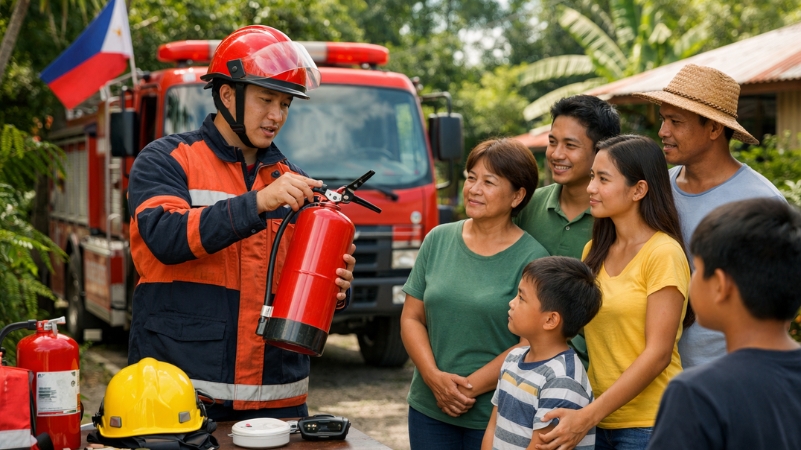
Fire incidents remain a serious concern across the Philippines, with thousands of cases reported each year. According to the Bureau of Fire Protection, residential fires, small business fires, and community incidents account for the majority of fire-related emergencies.
These incidents often lead to significant property damage and economic losses, affecting both homeowners and business owners. Implementing proper fire prevention tips for homes in the Philippines and a robust small business fire safety plan can help reduce the frequency and impact of these emergencies.
How Fires Affect Families and Businesses
Fires can have devastating consequences for individuals, families, and business owners. Homes may be destroyed, leading to the loss of personal belongings and essential documents. For small businesses, fire incidents can result in financial losses, disruption of operations, and even temporary closure.
At a community level, fires can disrupt daily life, displace families, and strain local resources. Following fire safety tips, maintaining a home fire safety checklist, and creating a small business fire safety plan are essential measures to minimize these risks and protect lives, property, and livelihoods.
Common Causes of Fire in the Philippines
Faulty Electrical Wiring and Overloaded Outlets
One of the leading causes of fire incidents in the Philippines is faulty electrical wiring and the overuse of outlets. Improper electrical installations, aging wires, and poor maintenance can easily spark fires.
Many households and businesses also rely on multiple appliances connected through extension cords, often called “octopus connections.” This practice can overload circuits, creating a serious fire hazard. Following proper fire prevention tips for homes and ensuring electrical systems are regularly inspected are essential to prevent such risks.
Unattended Cooking and Open Flames
Kitchen fires remain a common cause of household fires in the Philippines. Leaving cooking unattended, improper use of gas stoves, or spilling hot oil can quickly lead to dangerous situations.
Open flames from candles or other sources can also ignite nearby combustible materials. Incorporating basic fire safety tips into daily routines, such as monitoring cooking and keeping flames away from flammable objects, helps reduce these risks.
Flammable Materials and Improper Storage
Storing flammable materials improperly is another significant factor. Gas tanks, paint, cleaning supplies, and other combustible household items must be handled and stored carefully to prevent accidental ignition.
Businesses should also follow a fire safety plan that addresses proper storage of flammable products and compliance with safety regulations, including the RA 9514 Fire Code in the Philippines.
Electrical Demand During Hot Weather
During the hot and dry season, especially around March, air conditioners, fans, and other appliances increase the load on electrical systems. High electrical demand can strain circuits, cause short circuits, and trigger fires.
Planning for fire emergency preparedness and monitoring appliance usage can help households and businesses stay safe during periods of high electrical consumption.
Fire Prevention Tips for Homes in the Philippines
How Homeowners Can Prevent Electrical Fires
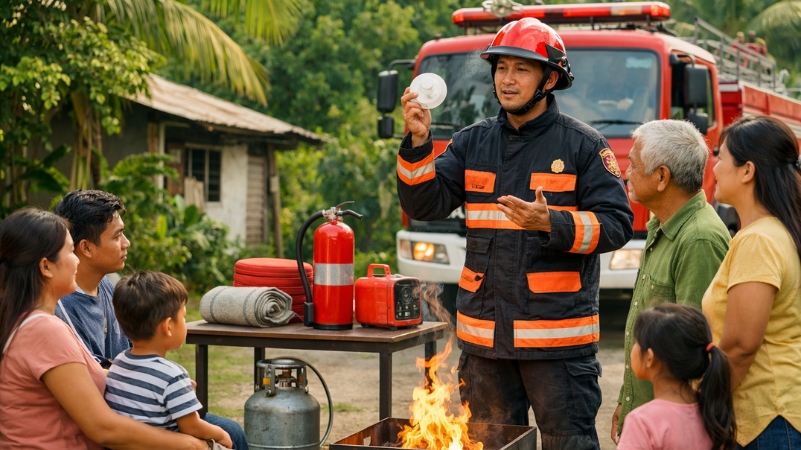
Electrical fires are among the most common risks in Philippine households. Homeowners should schedule regular electrical inspections to ensure wiring is safe and compliant with standards. Avoid overloading outlets and never use multiple devices on a single socket, including “octopus connections.”
Using certified electrical equipment reduces the risk of short circuits and sparks, making this a key step in fire prevention tips for homes. Regular maintenance and awareness of electrical load can significantly lower fire hazards in the home.
Essential Fire Safety Tools Every Home Should Have
Equipping your home with basic fire safety tools is essential for quick response in case of fire:
- Smoke alarms – Install in every bedroom and common area to provide early warning.
- Fire extinguishers – Keep at least one on each floor, particularly near kitchens and electrical equipment.
- Emergency numbers posted visibly – Include local fire stations and emergency hotlines for immediate assistance.
Having these tools ready ensures families can act quickly and safely during fire incidents.
How to Create a Family Fire Escape Plan
A well-practiced escape plan saves lives. Families should:
- Identify at least two exits from each room to provide multiple escape routes.
- Establish a safe meeting point outside the home where all members can gather after evacuating.
- Practice family fire drills regularly to ensure everyone knows the steps to take during an emergency.
Following these steps as part of fire emergency preparedness helps families stay safe and confident in handling fire situations.
Home Fire Safety Checklist
Keeping your home safe from fire hazards is a top priority, especially during Fire Prevention Month in the Philippines. Use this home fire safety checklist to help protect your family and property:
- Test smoke alarms monthly – Ensure all alarms are functional and replace batteries as needed.
- Inspect electrical wiring annually – Have a licensed electrician check your home’s wiring to prevent short circuits and other electrical hazards.
- Avoid overloaded outlets – Limit the number of devices plugged into a single outlet and avoid “octopus connections” to reduce the risk of electrical fires.
- Store flammable materials safely – Keep gas tanks, cleaning chemicals, and other combustible items away from heat sources and out of children’s reach.
- Keep fire extinguishers accessible – Place extinguishers in key areas such as the kitchen, living room, and near electrical equipment for quick response.
- Create and practice a fire escape plan – Identify multiple exits, establish a safe meeting point, and conduct regular family drills as part of your fire emergency preparedness.
Following this checklist ensures that your home aligns with recommended fire prevention tips and enhances overall community fire safety awareness.
Fire Safety Tips for Small Businesses
Why Every Business Needs a Fire Safety Plan
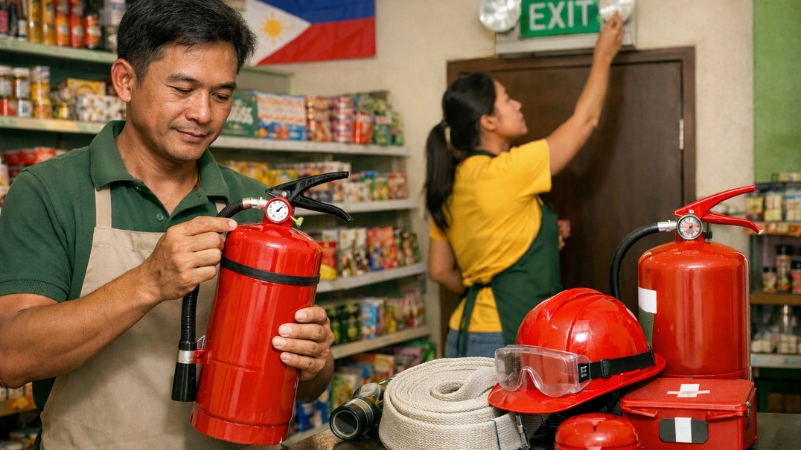
For small businesses, fire preparedness is not just a legal requirement—it’s essential for protecting people and property. A well-structured fire safety plan helps ensure compliance with safety regulations, safeguards employees and customers, and minimizes disruptions to daily operations.
Implementing fire safety strategies can reduce the risk of fire-related losses, maintain business continuity, and demonstrate a commitment to community safety during Fire Prevention Month in the Philippines and throughout the year.
Fire Safety Checklist for Small Business Owners
Small business owners should follow these practical steps as part of their fire emergency preparation:
- Install fire extinguishers – Place them in accessible locations such as near electrical panels, kitchens, and storage areas.
- Maintain emergency exits – Keep all exits clear, marked, and unlocked to allow safe evacuation.
- Conduct regular electrical inspections – Check wiring, circuits, and appliances to prevent electrical fires.
- Train employees on evacuation procedures – Regular drills ensure everyone knows their roles and escape routes in case of a fire.
Using this checklist supports a safer work environment and aligns with national fire safety standards.
Fire Safety Compliance Under the Philippine Fire Code
All businesses in the Philippines must comply with RA 9514 Fire Code, which sets the standards for fire prevention, suppression, and emergency response.
Regular safety inspections, permits, and adherence to the Fire Code help businesses reduce fire risks and maintain legal compliance. Integrating fire safety practices with RA 9514 requirements ensures both employees and customers are protected, and business operations remain resilient in the event of a fire.
What To Do During a Fire Emergency
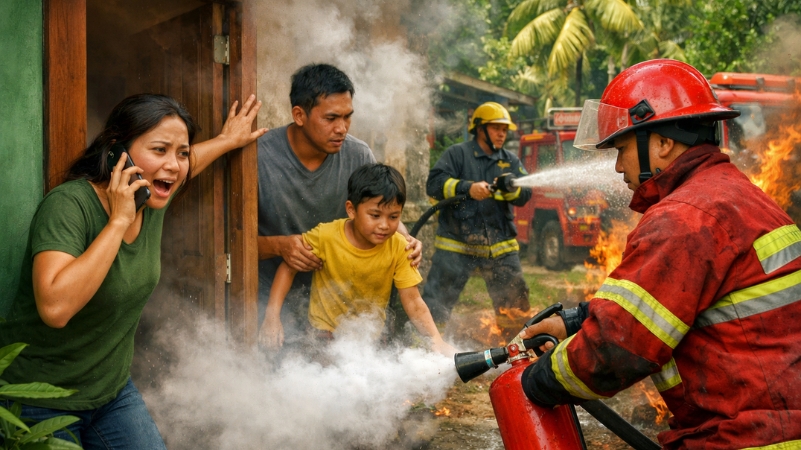
Immediate Steps to Take During a Fire
During a fire, staying calm and acting quickly can save lives. Follow these essential steps:
- Evacuate immediately – Leave the building as soon as you detect smoke or flames.
- Use designated fire exits – Always follow marked escape routes and avoid blocked or unsafe paths.
- Avoid elevators – Use stairs instead, as elevators can fail or trap occupants during a fire.
These actions are critical parts of fire emergency preparedness for both homes and businesses.
When to Call the Fire Department
Contacting professional responders as soon as possible is vital:
- Call emergency services immediately – Use local fire hotlines or emergency numbers posted on your home fire safety checklist.
- Provide clear information – Give the exact location, type of fire, and any hazards to help firefighters respond efficiently.
Prompt communication ensures that help arrives quickly, reducing the potential damage and risk to life.
How Families and Businesses Can Prepare in Advance
Preparation is key to minimizing the impact of fire incidents. Families and business owners should:
- Maintain emergency contact lists – Include local fire stations, hospitals, and other critical services.
- Practice fire drills and evacuation plans – Regular drills familiarize everyone with escape routes and procedures, improving overall readiness.
Following these steps strengthens community fire safety awareness and ensures a safer environment during Fire Prevention Month in the Philippines and beyond.
Community and Corporate Responsibility in Fire Prevention
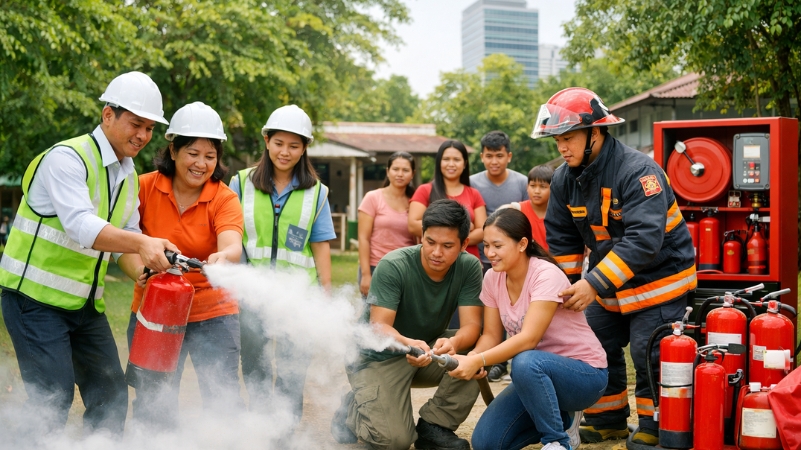
How Communities Promote Fire Safety Awareness
Communities play a central role in promoting fire safety tips:
- Conduct fire drills and safety seminars – Teach residents and employees how to respond in emergencies.
- Collaborate with local fire departments – Work together on inspections, safety programs, and emergency response planning.
- Implement public education initiatives – Share practical fire prevention tips and common causes of fire Philippines to raise awareness.
Active community participation helps reduce fire risks and protects homes and businesses.
Supporting Safer Communities: The Role of South Asialink Finance Corporation
Corporate social responsibility initiatives can significantly boost community fire safety awareness. SAFC contributes by:
- Supporting programs that promote safety awareness in communities and partner organizations.
- Encouraging clients and local communities to prioritize fire preparedness and resilience.
- Aligning financial empowerment with broader public safety goals, helping communities stay informed and ready for emergencies.
These CSR-focused efforts demonstrate how organizations can support safer environments while reinforcing the importance of fire prevention tips for homes and fire safety for businesses.
Key Takeaways
- Fire Prevention Month in the Philippines is observed every March, spearheaded by the Bureau of Fire Protection fire safety campaign, to raise public awareness about fire risks and safety measures.
- The campaign emphasizes the heightened risk of fires during the hot and dry season, a period when common causes of fire are more likely to occur due to higher temperatures and increased electrical usage.
- Homeowners should prioritize electrical safety, maintain a home fire safety checklist, install smoke alarms and fire extinguishers, and practice family evacuation plans as part of fire prevention for homes in the Philippines.
- Small businesses must establish and follow a fire safety plan, conduct regular electrical inspections, train employees in evacuation procedures, and ensure compliance with the RA 9514 Fire Code in the Philippines.
- Active community fire safety awareness and corporate social responsibility initiatives, such as those supported by South Asialink Finance Corporation, help strengthen fire preparedness and safety education nationwide.
- Fire prevention is a shared responsibility. By implementing proper fire safety tips in the Philippines and staying vigilant, families, businesses, and communities can protect lives, property, and livelihoods effectively.