
The best truck for your business is rarely the biggest, the cheapest, or the most popular one — it’s the one matched precisely to what you haul, how far, how often, and how much you can afford to run. A logistics firm and a water-refilling station can be standing in the same dealership, and the right answer for each is completely different.
This guide skips the model-by-model shopping list. Instead, it walks you through how to decide: the factors that actually matter, the truck types available in the Philippine market, which trucks suit which businesses, the mistakes that cost owners money, and how to weigh new against used. By the end, you’ll be able to shortlist the right truck category for your operation with confidence.
What Makes a Good Business Truck?
A good business truck is defined by fit and running cost, not sticker price. Here’s what to evaluate, and why each matters.
Payload capacity. This is the maximum weight of cargo your truck can legally and safely carry. Under-buying here is the most common and most expensive mistake — a truck constantly loaded near its limit wears faster and breaks down more. Estimate your heaviest realistic load, then add headroom.
Cargo volume (cubic space). Weight isn’t everything. Some items, like furniture, appliances, packaging, and parcels, take up a lot of space even if they’re not that heavy. If your business usually carries bulky goods, focus more on cargo space and body type—such as a closed van or wing van—rather than just the truck’s weight capacity.
Fuel efficiency. Fuel is typically the single largest running cost of a commercial truck. Diesel dominates the Philippine commercial segment for its torque, availability, and cost per liter. The real lever isn’t just km/L — it’s matching truck size to load so you avoid running a half-empty heavy truck (wasted fuel) or an overloaded small one (wasted engine).
Maintenance costs. Every truck has a maintenance profile. Rough provincial and mountain routes raise wear on tires, suspension, and brakes far faster than highway use. Budget for servicing as an ongoing operating cost, not an occasional surprise.
Reliability & parts availability. Downtime is lost income. A slightly pricier truck from a brand with a dense dealer and parts network across the Philippines often costs less over its life than a cheaper unit whose parts take weeks to source. Before buying any brand, check how many service centers exist near your routes — this is a genuine selection criterion.
Financing considerations. Most SMEs don’t buy trucks in cash. The right financing structure — realistic down payment, term, and monthly amortization your cash flow can absorb — matters as much as the truck itself. Factor the monthly payment into your route economics before you commit.
Driver requirements. Larger trucks require appropriately licensed and experienced drivers, and driver-related costs (wages, allowances) are a recurring line item. A vehicle you can’t reliably staff is not the right vehicle.
Emissions compliance (Euro 4). New vehicle types introduced in the Philippines have been required to meet Euro 4/IV emission standards since January 1, 2016. When buying a commercial vehicle, check its emission certification and registration records. For used units, confirm that the vehicle complies with applicable LTO and DENR in-use emission and registration requirements.
Business scalability. Buy for the business you’ll have in 2–3 years, not just today. If you expect volume to grow, a truck one tier up can save you from a second purchase — but only if the added capacity won’t sit empty in the meantime.
Types of Trucks Used by Businesses
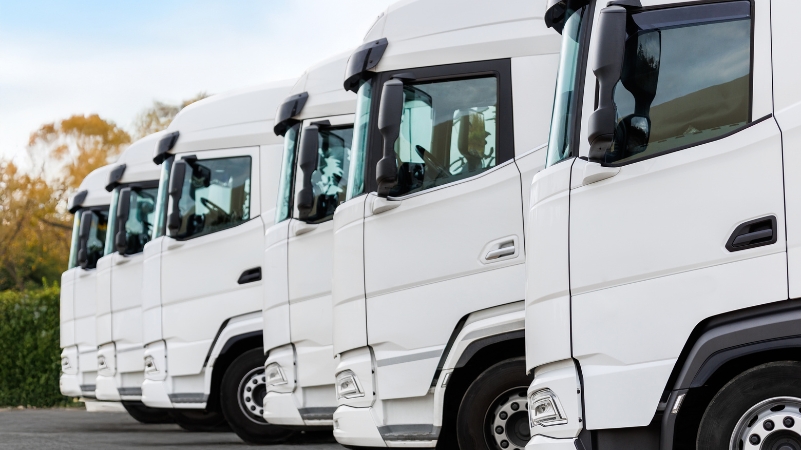
Understanding truck types is the fastest way to narrow your options. There are two layers: the duty class (how heavy) and the body type (how it carries).
Pickup trucks. Light, versatile, and easy to drive with a standard license. Ideal for small loads, service businesses, and mixed passenger-plus-cargo use. Not built for sustained heavy hauling.
Light-duty trucks (LCVs). The SME workhorse tier, suited for city and last-mile delivery, FMCG resupply, and perishable-goods runs. Their compact dimensions and lighter configurations can make them practical for congested urban routes and tight loading areas, although truck-ban eligibility should always be checked against the unit’s GVW and applicable local regulations.
Medium-duty trucks. The bridge for regional logistics, SMEs moving construction materials, and inter-city wholesale distribution. Higher payload than an LCV without the cost and route restrictions of a heavy truck.
Heavy-duty trucks. Built for long-haul transport, industrial supply, and bulk cargo such as cement, steel, aggregates, and fuel. They come with higher fuel and operating costs, but offer far greater payload and hauling capacity than light trucks. Representative options include the Isuzu S&E Series and HOWO 10W.
Cargo vans / closed vans. Enclosed bodies that protect goods from weather and theft — ideal for e-commerce parcels, electronics, and general dry goods where security matters.
Dropside trucks. Open bed with fold-down sides. The most flexible general-purpose body — loading and unloading from any side makes it a favorite for hardware, construction supply, and mixed cargo.
Refrigerated (reefer) trucks. Temperature-controlled bodies for cold-chain cargo: frozen food, fresh produce, dairy, and pharmaceuticals. Higher cost, but essential where spoilage is the real risk.
Wing vans. Large enclosed bodies whose sides lift open like wings, enabling fast forklift loading from either side. The backbone of high-volume regional and inter-island FMCG distribution.
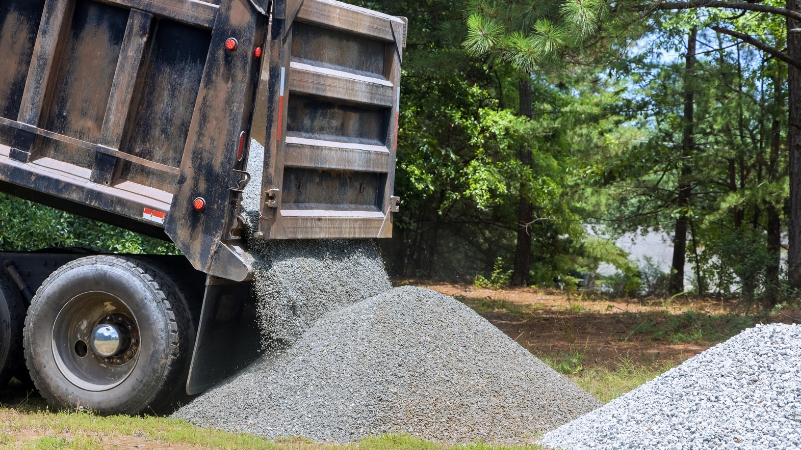
Dump trucks (tippers). Hydraulic beds tilt to unload bulk materials. Purpose-built for construction and quarrying — sand, gravel, soil, and aggregates. Current examples include FAW Stark and FAW Thor dump trucks.
Choosing the Best Truck for Business by Category
The best truck for a business is the completed configuration — chassis plus the right body — matched to your cargo, routes, and volume. Below, each category names a concrete starting spec and states clearly whether the price includes the body.
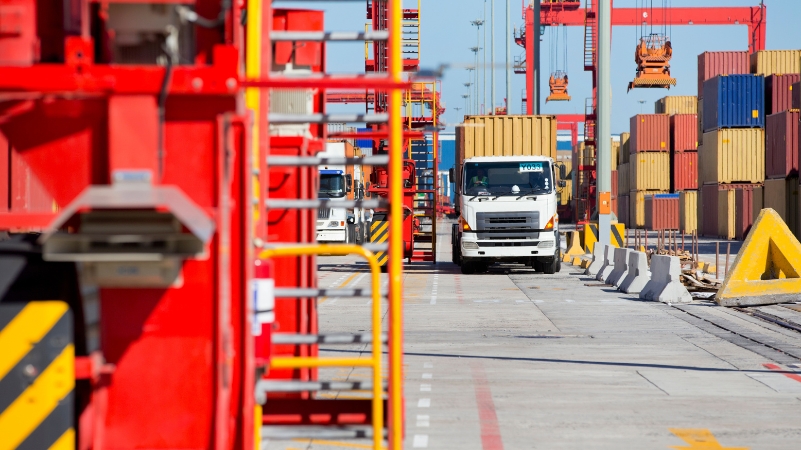
Logistics & freight forwarding
Isuzu F-Series FVM34W (~₱4.58M, chassis only) or Foton ETX-N 32-ft wing van (price on request). Wing vans load fast by forklift from either side and maximize cubic capacity per trip — the main lever on cost-per-delivery for high-frequency freight. Wing-van body quoted separately; do not treat the F-Series family floor as a wing-van price.

Last-mile & e-commerce delivery
Mitsubishi L300 FB (~₱973K–1.04M, body-inclusive dealer FB) or Hyundai H-100 C&C (₱1.136M, chassis only — closed-van body extra). Enclosed bodies help keep parcels secure and dry, while their compact size makes both practical for urban deliveries. Start with the L300 FB if you want a completed unit at a lower upfront cost.
NOTE: Actual payload depends on the installed body and final vehicle configuration. Both models are below 4,500 kg GVW in cab-and-chassis form, but light-truck and delivery restrictions may still apply depending on the road, LGU, vehicle registration, and operating hours. Check the finished unit’s OR/CR and local truck-ban rules before deployment.

Sari-sari / micro-retail resupply
Suzuki Carry Dropside (₱650K, body-inclusive) or Foton Gratour Dropside (₱570K, body-inclusive). The lowest-cost way into a completed business truck for small, frequent city runs.

Water-refilling delivery
Kia K2500 4×4 Double Cab Dropside (₱1.238M, body-inclusive). Stacked containers are heavy for their size, so this needs a higher-payload LCV with a completed dropside bed and easy side loading.
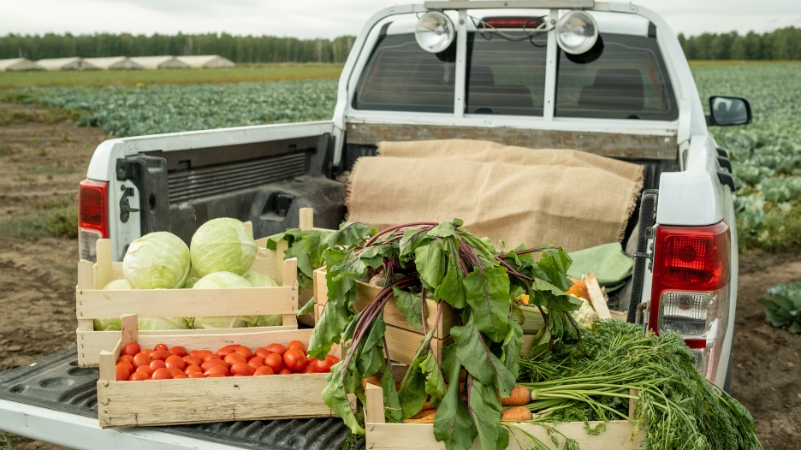
Food supply & small-scale cold chain
Isuzu N-Series QLR77E (~₱1.47M, chassis only) with a reefer body. A reliable, widely serviced light-duty chassis; refrigeration and body are added separately. Reefer system/body not included in the chassis price.

Catering & events
Hyundai H-100 C&C (₱1.136M) or Mitsubishi L300 C&C (₱829K), both chassis only — enclosed body priced separately. Secure, enclosed transport for equipment and prepared food.
Hardware & construction supply
FUSO Canter FE73 (~₱1.84M, chassis only) with a dropside body. Flexible any-side loading for mixed, bulky materials; FE73 remains in FUSO’s 2026 lineup. Dropside body extra.
Sand, gravel & aggregates
FAW Stark mini dump or FAW Thor dump (price on request). These are the current Philippine FAW dump models — use these rather than a generic “Panther tipper,” which is largely a cab-and-chassis family, not a dump line.

Regional FMCG distribution
Isuzu F-Series FVM34W (~₱4.58M, chassis only) with a wing body, or Foton ETX-N 32-ft wing van (price on request). High cubic capacity and fast forklift loading. Body priced separately.

Furniture & moving services
FUSO Canter FE73 (~₱1.84M, chassis only) with an enclosed or wing body — cubic volume matters more than weight here. Specialized body extra.
Agriculture / produce hauling
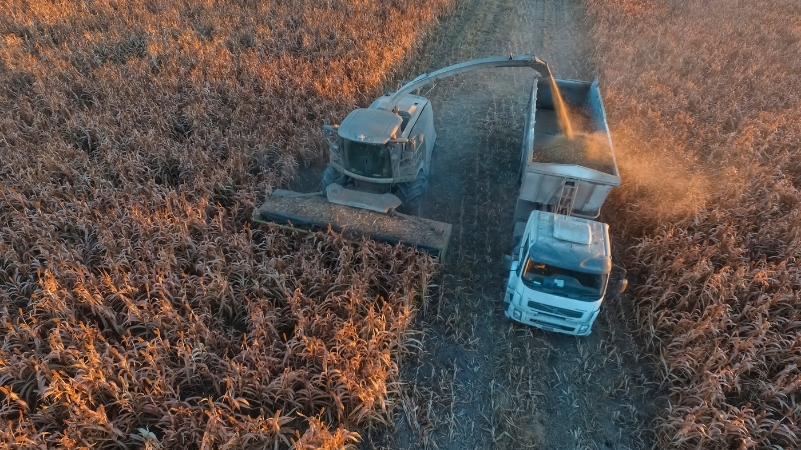
Isuzu N-Series (from ~₱1.47M, chassis only) with a dropside body for general produce, or a reefer body for spoilage-prone goods. Body and refrigeration additional.
Long-haul & inter-island freight
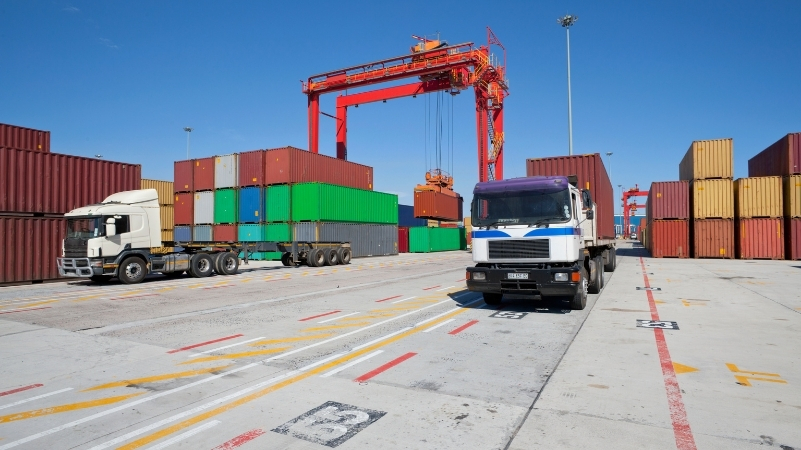
Isuzu FVM34W (~₱4.58M, chassis only) with a wing body, or a HOWO wing-van configuration (price on request). Built to maximize load per trip. Do not use HOWO’s ₱3.33M–4.03M tractor/dump/mixer range as a wing-van price.

Cold-chain / pharma logistics
Isuzu N-Series (from ~₱1.47M) or FUSO Canter (from ~₱1.67M), both chassis only, with a reefer body. Temperature control is mission-critical. Refrigeration equipment and body not included.
Business-to-Truck Matching Guide
Every business-fit note is an editorial recommendation, not a manufacturer guarantee.
| Business Type | Recommended Model / Configuration | Publish-Safe Price | Pricing Note |
| Sari-sari / micro-retail | Suzuki Carry Dropside / Foton Gratour Dropside | ₱650K / ₱570K | Completed dropside variants |
| E-commerce / last-mile | Mitsubishi L300 FB / Hyundai H-100 C&C + closed van | ₱973K–1.04M / ₱1.136M | L300 FB body-inclusive; H-100 chassis only |
| Catering & events | Hyundai H-100 / Mitsubishi L300 C&C + enclosed body | ₱1.136M / ₱829K | Chassis only; enclosed body quoted separately |
| Water-refilling delivery | Kia K2500 4×4 Double Cab Dropside | ₱1.238M | Body-inclusive listed variant |
| Hardware / construction supply | FUSO Canter FE73 C&C + dropside | ~₱1.84M | Chassis only; dropside extra |
| Small cold chain / food supply | Isuzu N-Series QLR77E + reefer | ~₱1.47M | Chassis only; reefer system/body not included |
| Agriculture / produce | Isuzu N-Series + dropside or reefer | from ~₱1.47M | Chassis only; body + refrigeration extra |
| Furniture / moving | FUSO Canter FE73 + enclosed/wing body | ~₱1.84M | Chassis only; specialized body extra |
| Sand & aggregates | FAW Stark mini dump / FAW Thor dump | Price on request | Current FAW dump lineup |
| Regional FMCG | Isuzu FVM34W + wing / Foton ETX-N 32-ft wing van | ~₱4.58M / POR | Chassis only; wing body separate |
| Logistics & freight forwarding | Isuzu FVM34W + wing / Foton ETX-N 32-ft wing van | ~₱4.58M / POR | Chassis only; wing body separate |
| Long-haul / inter-island | Isuzu FVM34W + wing / HOWO wing-van config | ~₱4.58M / POR | Chassis only; do not use HOWO tractor/dump range |
| Cold-chain / pharma | Isuzu N-Series or FUSO Canter + reefer | from ~₱1.47M / ~₱1.67M | Chassis only; reefer equipment not included |
Pick by Budget
Prices below refer to the stated configuration. Specialized bodies cost extra unless the variant is body-inclusive.
| Budget band | Better current examples | Notes |
| Under ₱800K | Foton Gratour Dropside ₱570K; Suzuki Carry C&C ₱614K / Dropside ₱650K / Cargo Van ₱705K / Utility Van ₱754K | Strongest clearly-priced, body-inclusive entry choices |
| ₱800K–₱1.2M | Mitsubishi L300 C&C ₱829K; Foton Harabas Miler C&C ~₱960K / Dropside ~₱1.0M; Kia K2500 4×2 C&C ₱1.048M; Hyundai H-100 C&C ₱1.136M | L300 / H-100 / K2500 chassis may still need body conversion |
| ₱1.2M–₱2.0M | Kia K2500 4×4 DC Dropside ₱1.238M; Hyundai H-100 Shuttle ₱1.355M; Isuzu N-Series QLR77E ~₱1.47M C&C; FUSO FE71 ₱1.67M+ C&C; Foton ETX 6W C&C ~₱1.8M; Dongfeng Captain D9 C&C ~₱1.95M | Light/medium commercial chassis start overlapping here |
| ₱2.0M–₱3.0M | FUSO FE85 ₱2.035M–2.06M; Isuzu N-Series higher variants to ~₱2.91M; FUSO FG83 ~₱2.62M; Isuzu F-Series FRR90M ~₱2.74M | Rear body generally extra on chassis models |
| ₱3.0M+ | Isuzu F-Series higher variants ~₱3.04M–5.4M C&C; Foton ETX 10W Tractor ~₱3.14M; HOWO 10W Tractor ~₱3.33M / Dump ~₱3.6M / Mixer ~₱4.03M | Do not assume wing-van / reefer bodies are included |
Common Mistakes When Choosing a Business Truck
Buying too small. Chasing a lower price, owners pick a truck that’s always maxed out. The result is faster wear, more downtime, and often a second purchase within a year.
Buying too large. The opposite error. An oversized truck burns fuel carrying air, faces more route restrictions, and ties up capital you could have deployed elsewhere.
Ignoring operating costs. The purchase price is a fraction of lifetime cost. Fuel, maintenance, driver, insurance, and depreciation are where the money actually goes — evaluate the total cost of ownership, not the tag.
Focusing only on purchase price. A cheaper truck with scarce parts and a thin service network can cost more in downtime than a pricier, well-supported one. Factor parts availability into the price comparison.
Not planning for growth. Buying strictly for today’s volume can force an early, expensive upgrade. Match the truck to a realistic 2–3 year horizon.
Ignoring maintenance requirements. Every truck needs scheduled servicing, and rough routes accelerate it. Owners who don’t budget for maintenance are the ones caught off guard by breakdowns.
New vs. Used Trucks: Which Is Right for Your Business?
| Consideration | New Truck | Used Truck |
| Upfront cost | Higher | Lower |
| Financing | Easier terms, longer amortization typically available | May have shorter terms or stricter conditions |
| Reliability | Predictable; full warranty | Depends heavily on history and condition |
| Maintenance risk | Low early on | Higher; prior wear may be hidden |
| Compliance | Euro 4-compliant by default | Must verify Euro 4 compliance before buying |
| Depreciation | Steeper in early years | Already absorbed by first owner |
| Best for | Businesses needing reliability, uptime, and warranty cover | Cash-conscious buyers who can inspect thoroughly and accept some risk |
Business-to-Truck Matching Guide
Use this as a starting shortlist, then refine by your specific load weight, cargo volume, and routes.
| Business Type | Recommended Truck Type | Why It Fits |
| Sari-sari / micro-retail resupply | Light-duty dropside or pickup | Small, frequent loads; easy city maneuvering |
| E-commerce last-mile delivery | Light-duty closed van | Parcel security + agility in traffic and truck bans |
| Food delivery / commissary | Refrigerated light-duty van | Keeps chilled and frozen goods within safe temperature |
| Catering & events | Light-duty closed van | Protects equipment and prepared food between venues |
| Water refilling delivery | Light- to medium-duty dropside | Handles container weight with easy side loading |
| Hardware & construction supply | Medium-duty dropside | Flexible loading of mixed, bulky materials |
| Sand, gravel & aggregates | Dump / tipper truck | Purpose-built to carry and tip heavy loose material |
| Regional FMCG distribution | Medium-duty wing van | High cubic capacity + fast forklift loading |
| Furniture & moving services | Closed van or wing van | Cubic volume matters more than payload weight |
| Agricultural produce hauling | Dropside medium-duty (or reefer for perishables) | Bulk capacity, with cold option for spoilage-prone goods |
| Long-haul / inter-island freight | Heavy-duty wing van | Maximizes load per trip over long distances |
| Cold-chain / pharma logistics | Refrigerated (reefer) truck | Temperature control is mission-critical |
Final Thoughts
Choosing well comes down to sequence, not brand loyalty. Define your heaviest realistic load first, pick a duty class with headroom, then choose the right body for the work: dropside, closed van, reefer, wing van, or dump. Get that order right and the best truck for your business becomes obvious — it’s the completed configuration that fits what you haul, how far, and how often.
Two habits separate owners who buy once from those who buy twice: read past the sticker price, a cab-and-chassis quote isn’t a finished truck, and fuel, maintenance, and parts availability outweigh day-one cost, and buy for the business you’ll have in two to three years, not just today’s volume. For most Filipino SMEs, starting with a right-sized, well-supported unit and scaling up beats overbuying on ambition.
Once you’ve settled on the configuration, the next step is funding it in a way that keeps cash free for fuel, drivers, and inventory while the truck starts earning — which is where SAFC truck financing can help you spread the cost without stalling day-to-day operations.