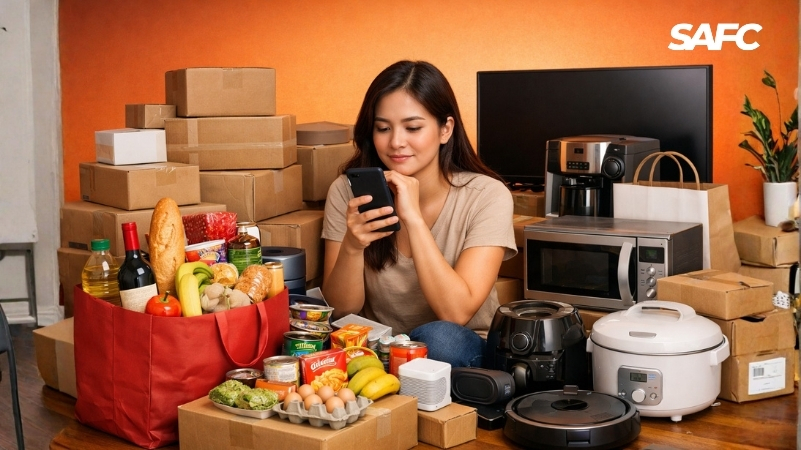
Often found yourself stuck with a pile of unopened parcels? It’s easy to click ‘add to cart’ when something’s on sale, trending, or feels like a reward. This habit is part of consumerism—the culture of constantly buying, driven by convenience, desire, or social pressure.
Consumerism can help grow the economy and create jobs, but when it goes too far, it can lead to debt, stress, waste, and unhealthy comparison. In the Philippines, this matters even more as online shopping, influencer culture, easy credit, and the “deserve ko to” mindset shape how people spend, save, and feel about money.
This article explains what consumerism really is, how it affects your finances and well-being, and how to recognize its impact on society today. You’ll also learn practical ways to think more clearly about spending without giving up comfort or enjoyment.
What Is Consumerism?
Ever opened a shopping app just to “check,” then ended up buying something because it was on sale or trending? That everyday habit is a small example of consumerism—a way of living where buying and spending become a regular response to desire, pressure, or convenience.
Consumerism is the habit of continuously buying goods and services, often beyond basic needs, driven by wants, trends, lifestyle expectations, and easy access to credit. In simple terms, it’s when spending becomes more about keeping up or feeling good than about what we truly need.
Imagine getting a new phone. You feel excited for a while. Then a newer model comes out, and suddenly your phone doesn’t feel “enough” anymore. Consumerism works the same way: it pushes people to keep buying by making them feel that what they have is outdated, missing, or not good enough.
Healthy Consumption vs. Excessive Consumerism
Buying things isn’t bad by itself. The difference lies in intent and control:
- Healthy consumption means spending based on needs, priorities, and long-term goals.
- Excessive consumerism happens when spending is driven by impulse, pressure, or emotional reward—often without considering future consequences.
Understanding this difference helps people make smarter financial decisions instead of reacting to every sale or trend.
How Consumerism Works in Everyday Life
Consumerism often follows a repeating pattern:

This cycle repeats because the satisfaction from buying is temporary. Once the excitement fades, a new want appears—often triggered by ads, social media, or comparison with others. Over time, this loop can quietly affect savings, debt, and financial stability.
Modern Triggers of Consumerism
Today, consumerism is harder to avoid because it’s built into daily life:
- Social media & influencer culture – Constant exposure to “ideal” lifestyles and purchases
- Fast fashion & online shopping apps – Low prices and easy checkout encourage impulse buying
- Buy Now, Pay Later (BNPL) – Makes spending feel painless, even when money isn’t available yet
- Subscription culture – Small recurring costs that add up over time
These triggers make spending feel normal, instant, and emotionally rewarding—even when it isn’t financially healthy.
Why Consumerism Became Normal
Consumerism didn’t happen overnight. During the Industrial Revolution, mass production made goods cheaper and more accessible. Later, economic ideas encouraged spending to keep economies growing. Over time, society shifted from buying mainly for needs to buying for wants, comfort, and status.
Today, this mindset is amplified by technology and marketing—making consumerism a normal part of modern life, especially in countries like the Philippines where online shopping, sales culture, and digital payments are deeply embedded in everyday routines.
Why this matters: Understanding consumerism is the first step to managing money better, reducing financial stress, and making more intentional choices. In the next sections, we’ll explore the real effects of consumerism on finances, mental health, and society—and how to build healthier spending habits without giving up enjoyment or convenience.
Examples of Consumerism Today
Consumerism shows up in everyday choices that often feel normal or even harmless until they start affecting money, well-being, and priorities.
Common examples include:
- Upgrading to the latest phone even when the current one still works, driven by new features or social pressure
- Sale culture like Black Friday, 11.11, or 12.12, where urgency and discounts push people to buy more than planned
- Status-driven purchases, such as branded items used to signal success or belonging
- Trend-based consumption on TikTok and Instagram, where viral products create sudden “must-buy” moments
These behaviors are not always intentional. Many are shaped by marketing, algorithms, and constant exposure to what others are buying—making consumerism feel like part of daily life rather than a choice.
Consumerism in the Philippines: Culture, “Dasurv Ko ’To,” and Spending Habits
Consumerism feels especially personal in the Philippine context because spending is often tied to emotion, relationships, and self-worth—not just material needs.
The “Dasurv Ko ’To” Mentality Explained
“Dasurv ko ’to” reflects emotional spending as a form of self-reward—after stress, long work hours, or personal sacrifice. While treating oneself can be healthy in moderation, it can become problematic when spending turns into a coping mechanism rather than a conscious choice.
This mindset is influenced by:
- Emotional pressure from work, family responsibilities, or financial stress
- OFW and breadwinner culture, where spending becomes a way to enjoy the results of sacrifice
- Social comparison, especially through social media highlights
Why Consumerism Feels Personal for Filipinos
Several cultural factors intensify consumerism in the Philippines:
- Strong family ties, where financial decisions often affect more than one person
- Desire for upward mobility, using possessions as proof of progress
- Social validation, where appearance and lifestyle are linked to respect and success
Understanding this context helps explain why consumerism isn’t simply about “bad spending habits,” but about identity, emotion, and social belonging.
Is Consumerism Good or Bad? A Balanced View
Consumerism is not purely harmful or purely beneficial. Its impact depends on scale, intent, and control.
Benefits of Consumerism
- Economic growth, as spending fuels business activity
- Job creation, especially in retail, logistics, and manufacturing
- Improved access to goods and services, making life more convenient and efficient
Drawbacks of Consumerism
- Debt and financial stress, especially when spending relies on credit or BNPL
- Environmental damage, due to overproduction and waste
- Mental strain, including anxiety, comparison, and burnout from keeping up with trends
Consumerism becomes harmful when it shifts from supporting quality of life to quietly controlling it.
How Consumerism Affects Personal Finances
The financial impact of consumerism often appears gradually, not all at once.
- Impulse spending vs. planned spending
Frequent unplanned purchases reduce control over monthly budgets. - Credit misuse and debt cycles
Easy payment options can hide the true cost of spending, leading to long-term debt. - Lifestyle inflation
As income increases, expenses rise too—leaving little room for savings or emergencies.
For Filipino borrowers and working professionals, awareness is key. Consumerism doesn’t mean avoiding enjoyment, it means aligning spending with real priorities and long-term financial health.
At SAFC, we believe financial empowerment starts with understanding behavior, not judgment. Being informed helps individuals make smarter, more balanced decisions—whether they’re saving, borrowing, or planning for the future.
Why This Matters
Recognizing how consumerism shapes everyday choices allows people to regain control over their finances, reduce stress, and build a healthier relationship with money. In the next section, we’ll explore how to practice mindful consumption without sacrificing comfort, joy, or progress.
The Psychological and Social Impact of Consumerism
Consumerism doesn’t just affect how we spend money—it also shapes how we feel, think, and see ourselves.
Many people experience status anxiety, the quiet pressure to “keep up” with friends, coworkers, or influencers. When everyone around you seems to be upgrading their phone, wardrobe, or lifestyle, spending can start to feel like a requirement rather than a choice.
There’s also a strong dopamine effect at play. Buying something new gives a quick emotional high—excitement, relief, or a sense of reward. But that feeling fades fast. Over time, this creates a cycle where short-term happiness leads to long-term dissatisfaction, pushing people to spend again just to feel “okay.”
In a consumer-driven culture, identity can become tied to possessions. What we own starts to signal success, self-worth, or belonging. Instead of asking, “Do I really need this?”, people begin asking, “What will this say about me?”—often without realizing it.
Can You Escape Consumerism Without Giving Up Comfort?
Yes—and it doesn’t require extreme minimalism or saying “no” to everything you enjoy.
Practical Tips for Healthier Consumption
Pause before you buy
Give yourself 24 hours before making non-essential purchases. Often, the urge fades.
Check wants vs needs
Ask: Will this improve my daily life, or just my mood for a moment?
Budget with flexibility
Healthy budgets allow room for enjoyment—without sacrificing savings or essentials.
Use credit consciously
Credit isn’t the enemy, but using it without a plan can turn small purchases into long-term debt.
Financial Balance, Not Deprivation
Spending money is not a moral failure—and enjoying what you earn isn’t wrong. The goal is balance, not guilt.
Instead of thinking “I deserve this now,” try reframing it as: “I deserve financial security, peace of mind, and options in the future.”
When spending aligns with life goals—emergency funds, education, a home, or business opportunities—it becomes empowering rather than stressful.
Key Takeaways: Understanding Consumerism Today
- Consumerism isn’t inherently bad—but excess has real consequences
- Emotional and social pressures strongly influence spending behavior
- Mindful spending offers a healthier, more sustainable alternative
- Awareness leads to better financial, mental, and life choices
- Balance—not deprivation—is the long-term goal
Making Smarter Financial Choices
At SAFC, we believe financial decisions should be informed, intentional, and aligned with your real-life needs. Consumerism affects everyone—but with the right awareness and education, it’s possible to enjoy today while still preparing for tomorrow.
We encourage readers to continue learning about responsible borrowing, budgeting, and long-term financial planning through trusted financial education resources—so every decision supports both present comfort and future stability.